Ramadan 2026: A Month of Faith, Reflection and Community
2026/03/31
Ramadan in 2026 was observed by Muslim communities around the world as a sacred and blessed time of fasting, prayer, and reflection. Marked by the ninth month of the Islamic lunar calendar, it brought a shift in daily routines and social rhythms, from early morning meals before dawn to late-night gatherings after sunset.
For many, Ramadan is most visible through the act of fasting and is a profoundly spiritual period. It is a time structured around discipline and intention, dedicated to personal reflection and community. Across cities and villages around the world, the month is marked in ways that are both universal and deeply local.
What is Ramadan in Islam?
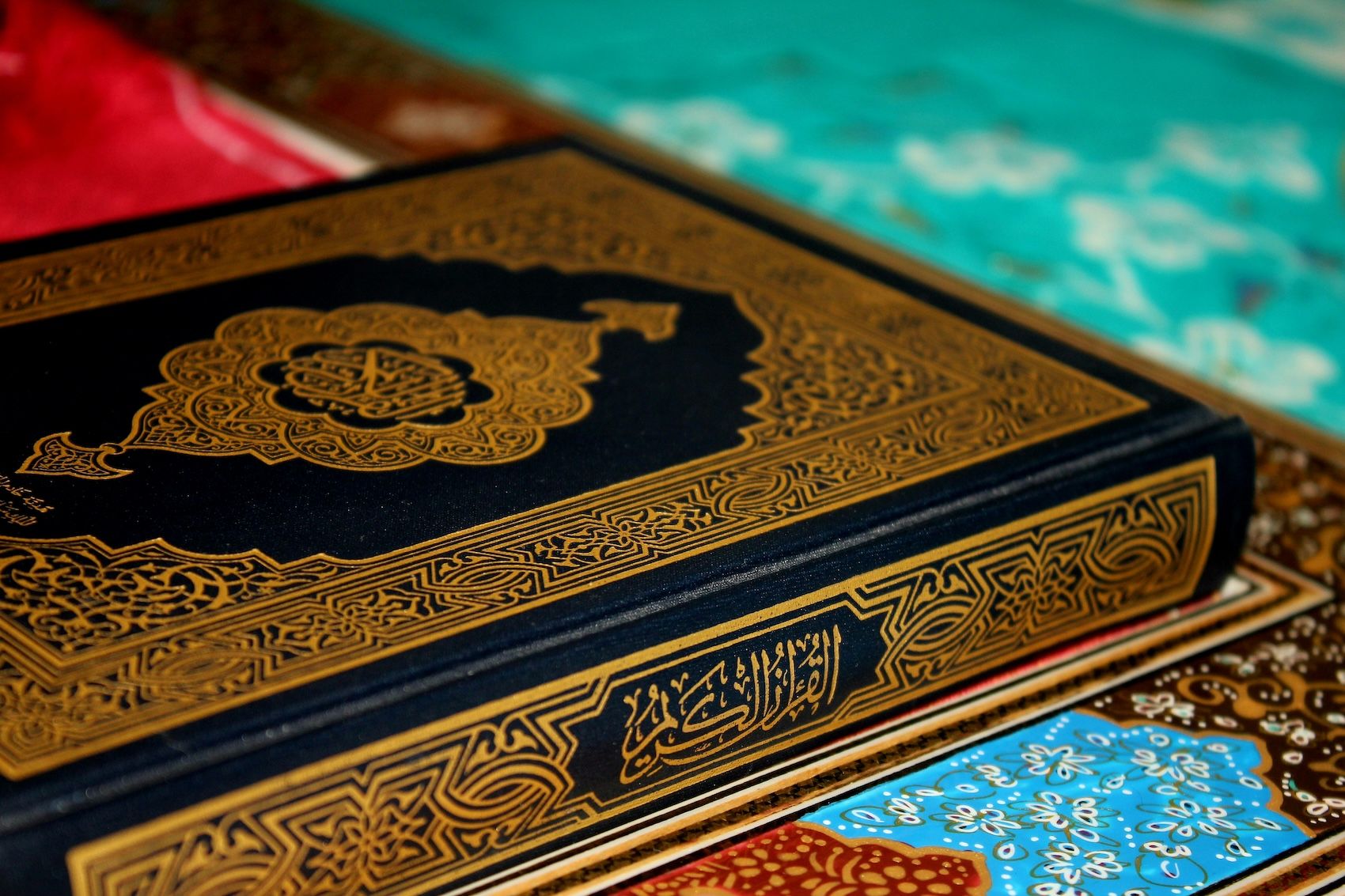
Ramadan commemorates the period during which the Angel Jibril revealed the first verses of the Holy Qur’an to the Prophet Muhammad on Mount Hira. Known as The Night of Power (Laylat al-Qadr), this event is central to Islamic belief and gives the month its profound spiritual significance.
The formal celebration of Ramadan as a distinct month began later, once the practice of undertaking a daily fast during the ninth lunar month was established by the early Muslim community. Over time, this practice evolved into a tradition that emphasises reflection, discipline, and community engagement.
To answer what is Ramadan, it is necessary to look beyond fasting alone. The meaning of Ramadan encompasses restraint, ethical mindfulness, and spiritual renewal. While fasting from dawn to sunset is one of the Five Pillars of Islam and a central practice, the month is equally characterised by communal prayer, contemplation and acts of generosity.
Throughout the month, Muslims engage more deeply with the Holy Qur’an, increase their daily prayers, and act with patience and generosity. The expectation extends beyond individual practice. Ramadan is also a social framework, shaping how local neighbourhoods interact and support one another.
In many households, the month becomes a period of intentional living. Attention is directed towards acts that carry religious meaning, reducing distractions and simplifying routines. This combination of discipline and faith is central to understanding Ramadan’s lasting importance.
Ramadan Calendar and Fasting
When was Ramadan 2026?
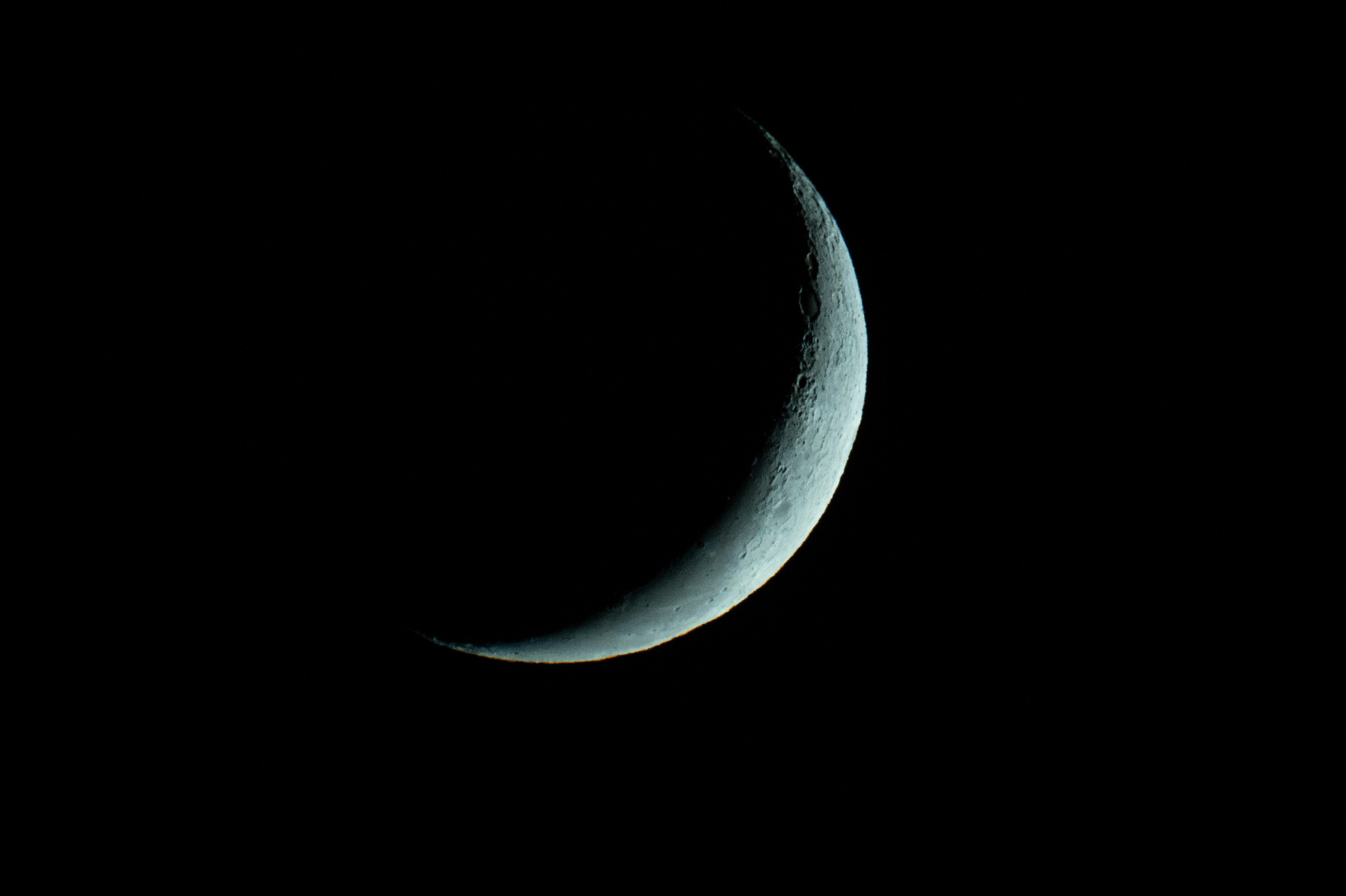
In 2026 the month began on the evening of Tuesday 17th February, and concluded around Thursday 19th March. As with every year, these dates were confirmed locally through the moon sighting, a traditional practice used to determine the start of each lunar month.
Because the Islamic calendar is based on the lunar cycle, Ramadan shifts approximately ten to eleven days earlier each year in the Gregorian calendar. The exact timing of its beginning and end therefore varies slightly depending on location, rather than having a fixed annual date.
How Long is Ramadan?
The answer to how long Ramadan lasts depends on the lunar cycle. In 2026, the month lasted 30 days and 30 nights from the evening of 17th February to the evening of 19th March. Its conclusion was marked by the sighting of the next crescent moon, signalling the start of Eid al-Fitr.
The beginning and end of Ramadan are determined through a practice overseen by local moon-sighting committees who observe and verify the moon’s visibility. These committees are typically made up of religious scholars, experienced observers, and community leaders who collectively confirm the sighting. They play a vital role in confirming the start and conclusion of the month, ensuring consensus, and maintaining the tradition of lunar-based timing that has been followed for centuries.
Customs and Traditions of Ramadan
Daily Rhythm: Suhur and Iftar
The daily structure of Ramadan remains consistent across different regions of the world. Each day begins before dawn with Suhur, the pre-fast meal, and ends at sunset with Iftar, when the fast is broken.
During daylight hours, those observing the fast abstain from all food and drink, including water, until sunset. This daily discipline is intended to foster self-restraint and awareness, while also encouraging empathy for those who experience hunger regularly.
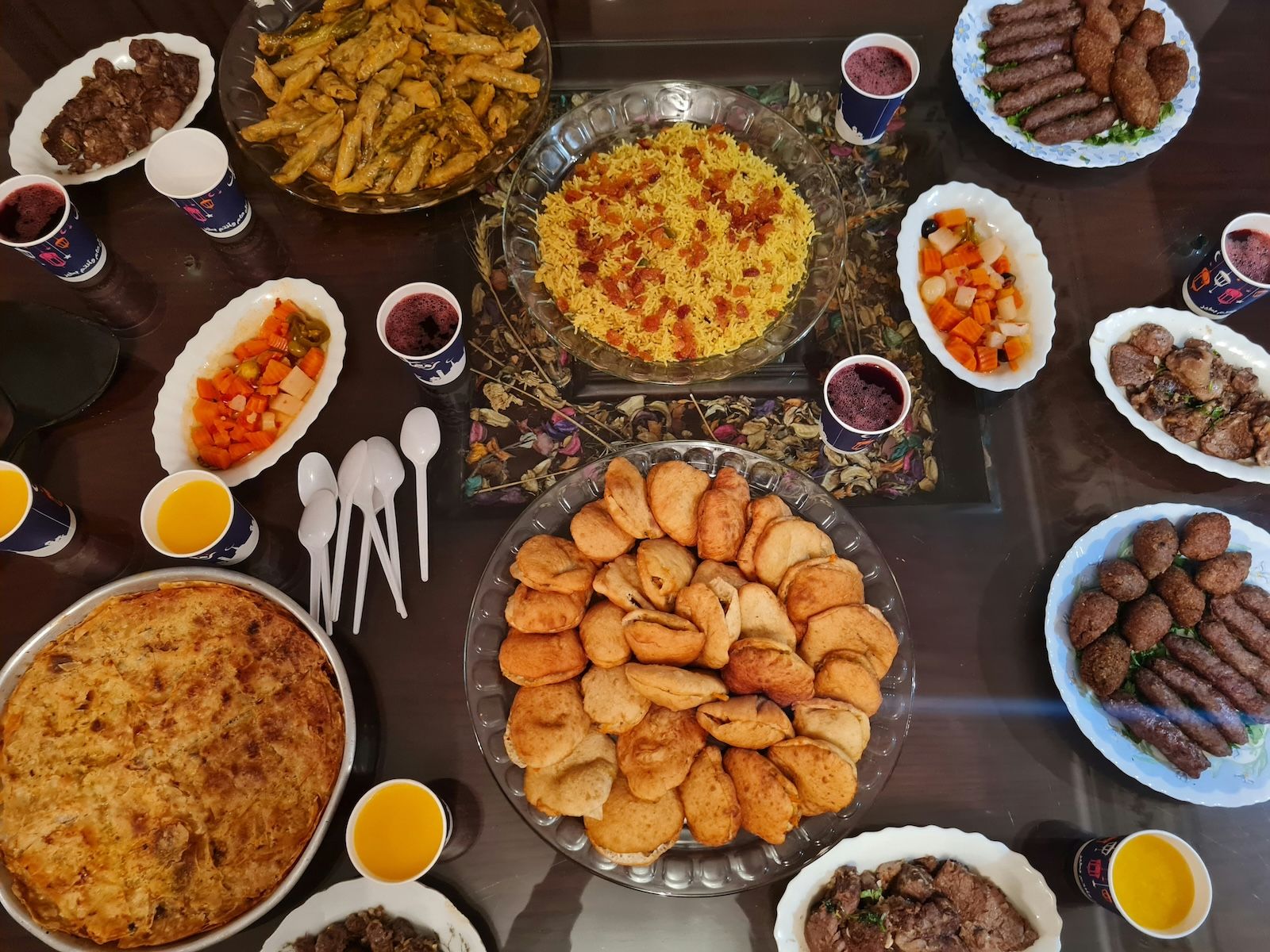
Evenings, by contrast, are often sociable. Families gather for Ramadan Iftar, frequently beginning the meal with dates and water. In many places, mosques and community organisations host shared meals, ensuring that individuals can break their fast in a communal setting.
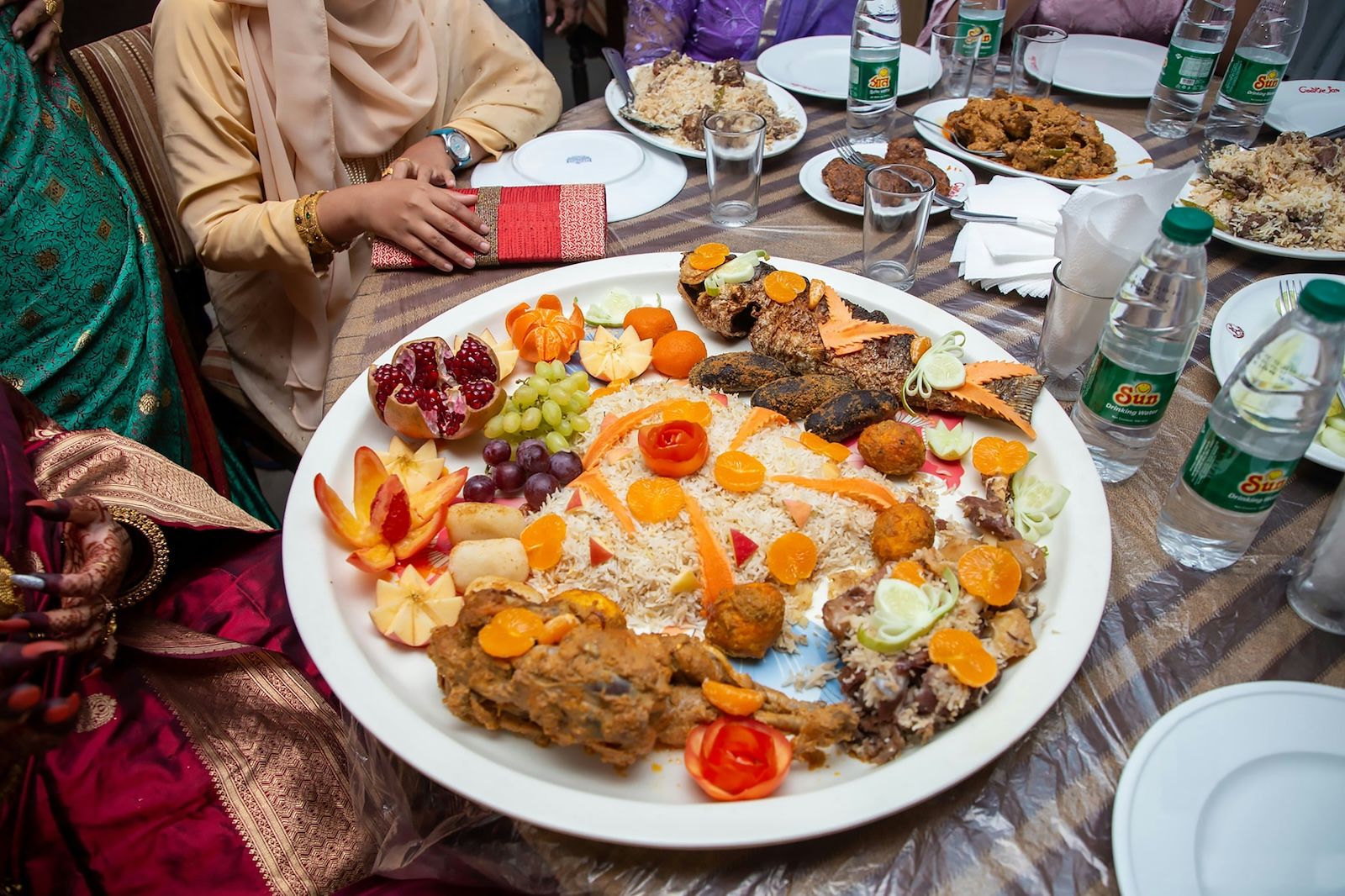
Across different cultures, the foods served at Iftar vary widely. From simple home-cooked dishes to elaborate spreads, the meal reflects both local culinary traditions and the importance of hospitality during Ramadan. In Qatar, typical Iftar dishes often include favourites such as Machboos, a spiced rice and meat dish, alongside soups, salads, and sweet pastries.
Islamic Ramadan Prayer Times
Daily life during Ramadan is closely aligned with Islamic Ramadan prayer times, which structure both fasting and worship. The call to prayer signals key transitions throughout the day, particularly the beginning and end of the fast.
In many cities, printed or digital timetables referred to as the Ramadan calendar are widely distributed, helping individuals organise their day around prayer and fasting schedules. These calendars are especially important in regions where daylight hours might fluctuate significantly depending on the time of year.
Exemptions and Flexibility
Islamic teachings provide clear exemptions from fasting. Those who are ill, travelling, pregnant, nursing, elderly, or not yet of age are not required to fast. In such cases, missed fasts can be made up later or compensated through charitable giving, depending on individual circumstances.
This flexibility reflects the broader principle within Islam that religious practice should be observed thoughtfully and adapted when necessary to ensure it remains safe and meaningful for individuals.
Ramadan Greetings and Hospitality
Although the foundations of Ramadan are rooted in religious practice, its expression varies widely across international cultures. These traditions are evolving while remaining anchored in shared values.
Greetings such as “Ramadan Mubarak” and Ramadan Kareem are widely exchanged, offering well-wishes for the month. These phrases are part of a global cultural vocabulary, understood across languages and regions.
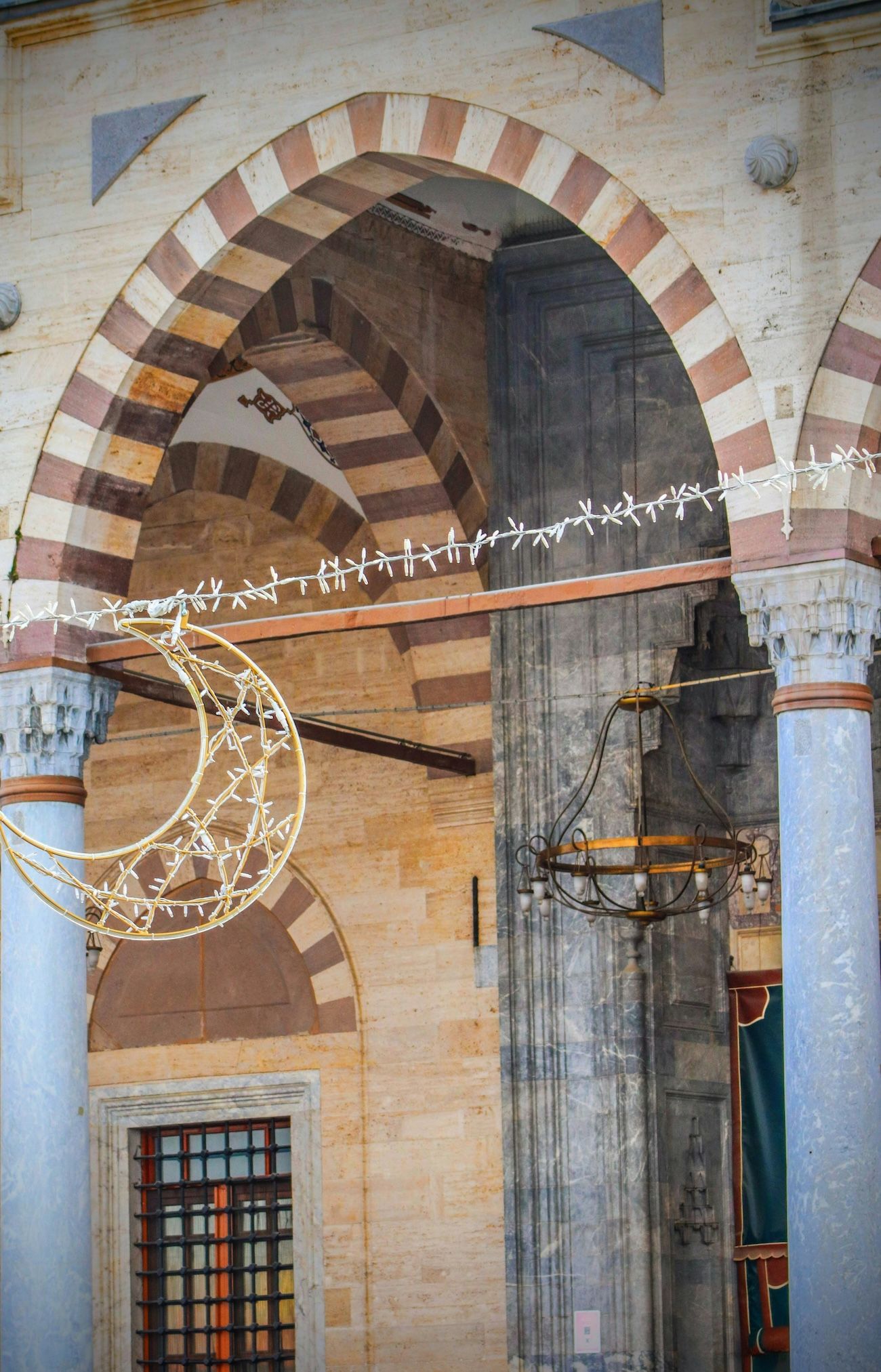
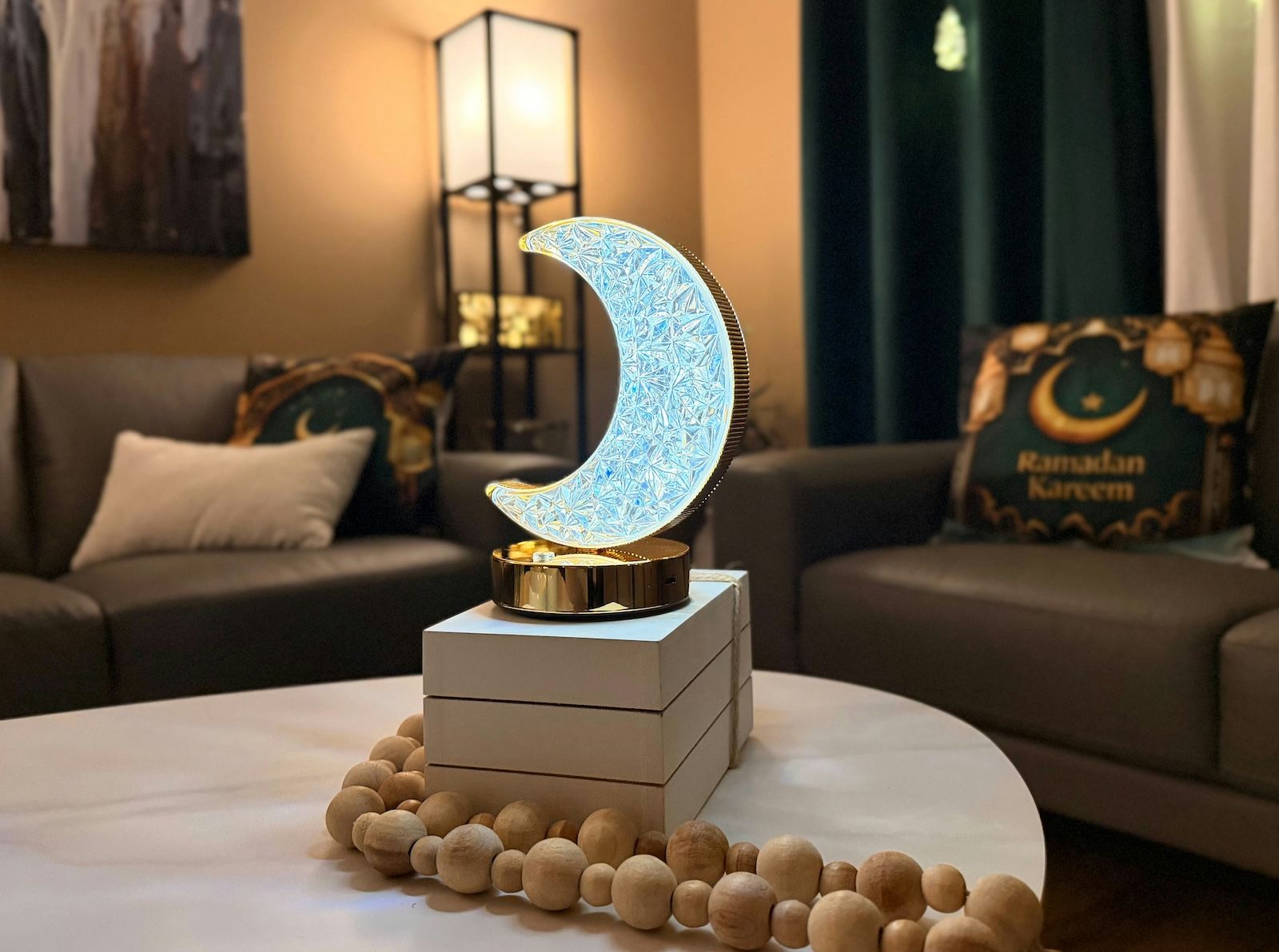
Homes, streets, and public venues are often decorated with seasonal Ramadan decorations including colourful lanterns and lights. In many cities, public spaces are transformed, signalling the arrival of the month and creating a distinct atmosphere.
Markets and cafés frequently adjust their hours, with activity increasing after sunset. In some regions, entire neighbourhoods come alive at night, reflecting the shift in daily rhythms that takes place during Ramadan.
Hospitality and inclusivity are important defining features of Ramadan. Invitations to Iftar extend beyond immediate family, often including neighbours, colleagues, and visitors. For many households, preparing food for others is considered as meaningful as the fast itself, with dishes cooked in larger quantities to accommodate guests and those in need. This openness also serves as a bridge between cultures, offering opportunities for shared understanding, particularly for those experiencing Ramadan for the first time.
Ramadan Traditions in Qatar
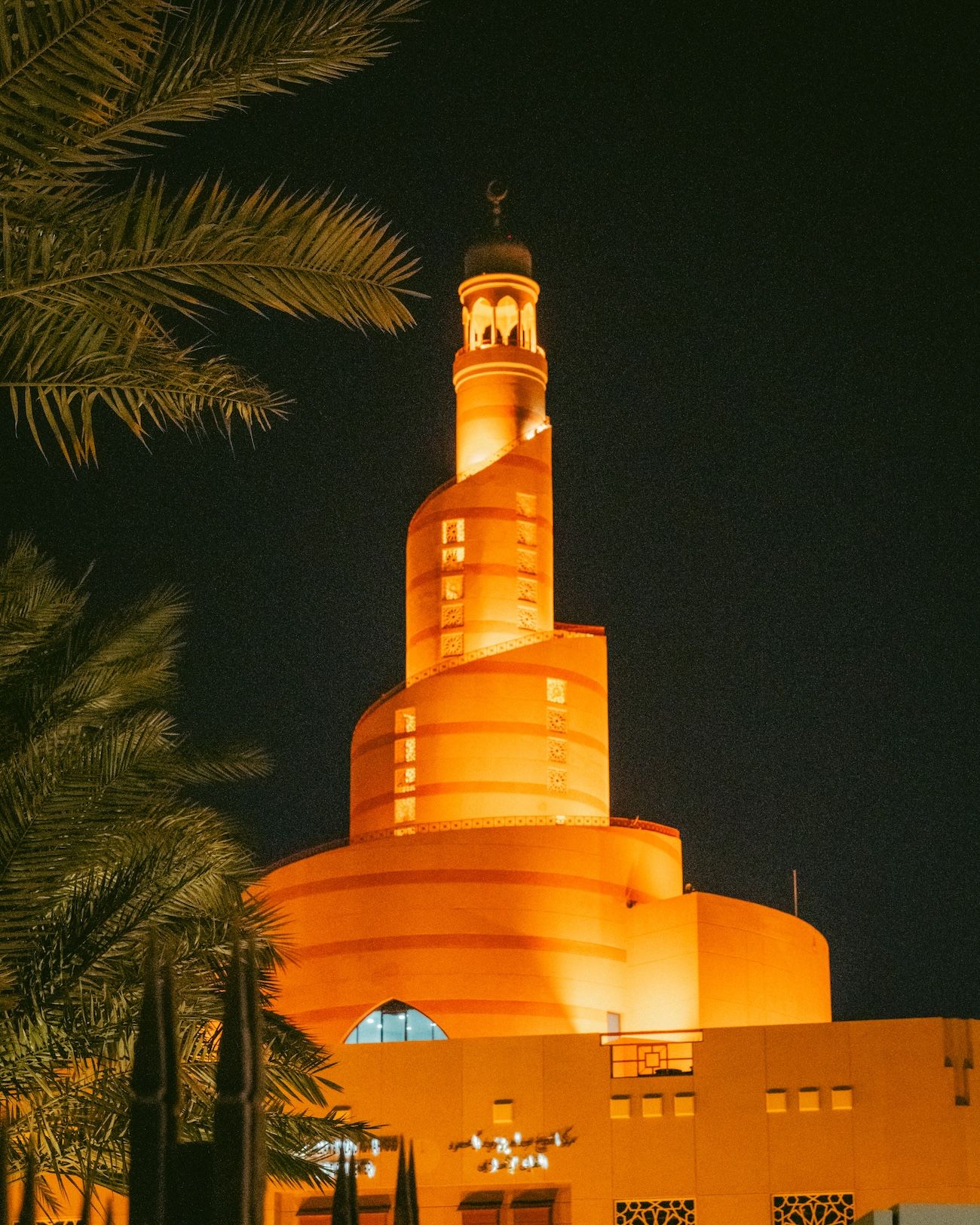
In Qatar, the country’s routines shift noticeably, with working hours adjusted and public life becoming more active in the evening.
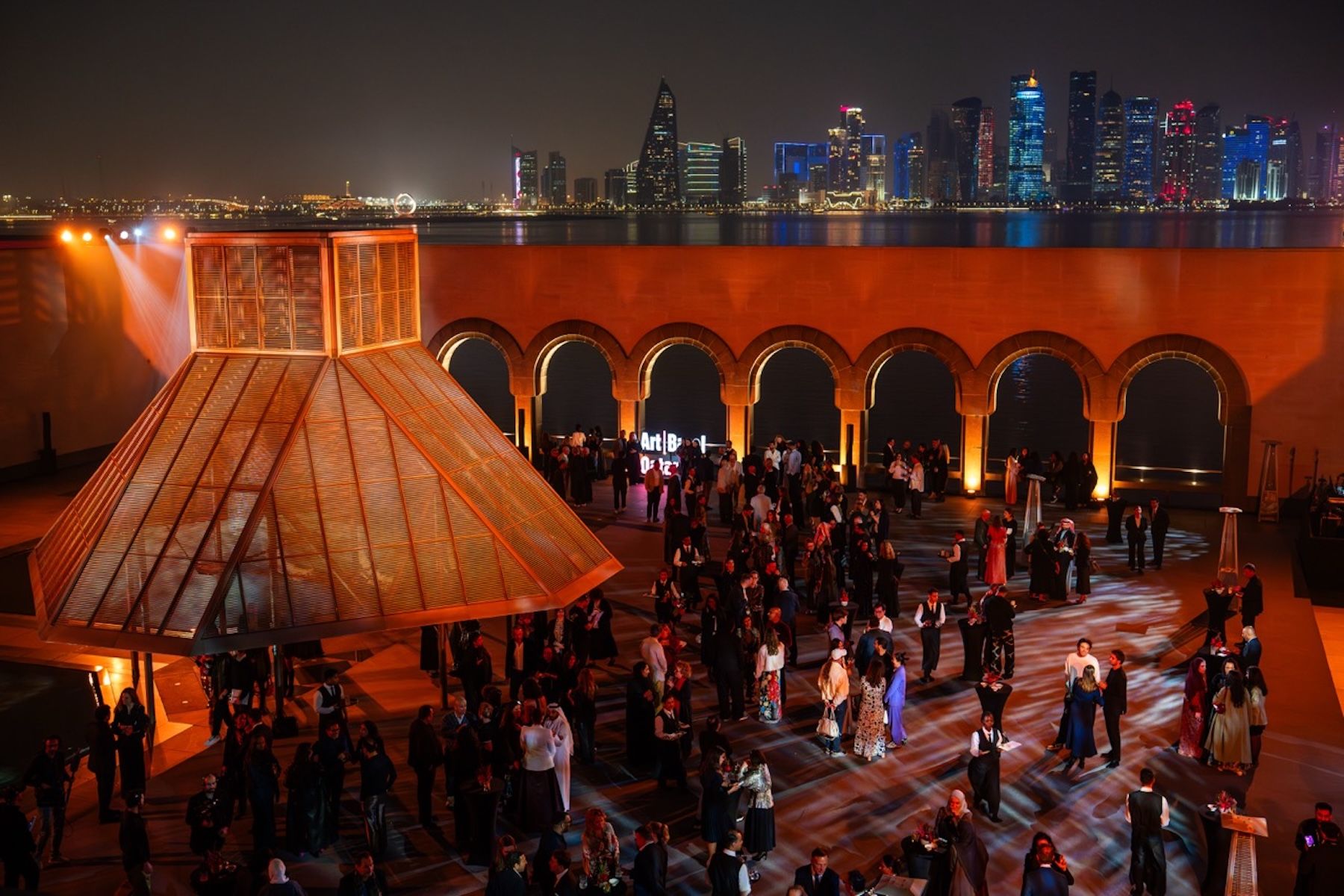
A prominent feature is the Ramadan tent, where hotels and cultural venues host large-scale Iftar and Suhur gatherings. These spaces bring together families, residents, and visitors, in a traditional setting.
Community Iftars are also widespread. Mosques and charitable organisations organise open meals, reinforcing the principle that Ramadan is a time of inclusion and generosity. This is closely linked to broader charitable practices, which increase significantly during the holy month of Ramadan.
Children in Qatar participate in traditions such as Garangao, a mid-Ramadan celebration in which they dress in traditional clothing and go door to door collecting sweets from neighbours.
Evenings often include informal social activities. Games like Mheibes are played in groups, while additional voluntary prayers, such as Al-nafla, are observed by those seeking to deepen their spiritual engagement. Personal prayers, known as Ramadan douaa, form an important part of this evening routine, recited individually at home or in mosques, particularly in the later hours when the atmosphere becomes quieter and more reflective.
Across Doha, cultural programming aligns with Ramadan, offering exhibitions, performances, and family-oriented events. Seasonal initiatives, including special Ramadan offers in Qatar, contribute to the broader experience of the month, particularly for visitors.
Ramadan Prayer and Spiritual Etiquette
Prayer takes on added significance during Ramadan. While the five daily prayers remain an essential part of practice, many individuals increase their devotional practices, attending mosque more frequently and dedicating additional time to spiritual contemplation.
The concept of Ramadan salat extends beyond formal prayer. It encourages a broader awareness of conduct: speaking thoughtfully, avoiding unnecessary conflict, and acting with intention. This emphasis on behaviour reflects the understanding that fasting is not only physical, but also connected to personal character and everyday interactions.
Mosques serve as central gathering points during Ramadan. In addition to prayers, they host educational sessions, charitable initiatives, and community events, strengthening social ties alongside spiritual practice.
Taraweeh Prayers and Their Significance
Among one of the most recognisable aspects of Ramadan nights are the Taraweeh prayers, performed after the evening prayer. Though not obligatory, they are widely observed.
During Taraweeh, extended portions of the Qur’an are recited, often completing the entire text over the course of the month. The prayers are typically performed in congregation, creating a shared experience that extends late into the evening.
For many worshippers, Taraweeh represents a moment of stillness within the busyness of daily life and a time set aside for listening, reflection, and continuity.
The Role of Zakat al-Fitr
As Ramadan draws to a close, attention turns to Zakat al-Fitr, a charitable contribution given before the Eid prayer. This form of giving is distinct from general charity and is calculated per individual within a household.
Zakat al-Fitr is an essential act of charity that purifies the fast and ensures those in need can share in the joy of Eid.
Major Ramadan Events: Eid al-Fitr and More
When Does Ramadan End?
The holy month of Ramadan concludes with the sighting of the new moon, marking the beginning of Eid al-Fitr ("Festival of Breaking the Fast”) and the start of the Islamic month Shawwal.
The final evening, often referred to as Chaand Raat, is a time of preparation, with families shopping, decorating, and gathering in anticipation of the celebrations.
Celebrating Eid al-Fitr
Eid al Fitr marks the end of Ramadan and is one of the most important celebrations in the Islamic calendar. It begins with a communal prayer, often held in mosques or open spaces, followed by gatherings with family and friends.
People typically wear new or formal clothing, symbolising renewal. Visits to relatives, shared meals, and the exchange of gifts, particularly for children, are at the heart of the celebrations. While the foods and customs vary by region, the underlying themes remain consistent. It is a joyful and deeply meaningful celebration marking the completion of a month of devotion.
Garangao and Other Regional Events
Regional traditions continue to shape how Ramadan is experienced. In Qatar and neighbouring countries across the Gulf region, Garangao remains a highlight for children, combining music, dress, and community participation.
Locations across the region host night markets, cultural festivals, and public events that reflect local heritage, with family-friendly workshops and activities that complement the meaning behind Ramadan.
FAQs: Frequently Asked Questions About Ramadan
Can you drink water during Ramadan?
No. During fasting hours, Muslims abstain from all food and drink, including water. The fast begins at dawn and ends at sunset each day.
What are some popular quotes and greetings during Ramadan?
Common greetings include Ramadan Mubarak and Ramadan Kareem. These expressions convey goodwill and are used throughout the month. There is no single set of quotes that define Ramadan, but many messages associated with the month emphasise patience, generosity, and reflection. These themes are drawn from Islamic teachings and are often shared in both personal and public contexts.
What are some Ramadan rules and misconceptions?
Some misconceptions persist about Ramadan. It is sometimes assumed that fasting is purely physical, when in fact it also involves an awareness of behaviour and intention. Similarly, not all Muslims are required to fast, with some clearly defined exemptions. Understanding these distinctions provides a clearer picture of Ramadan as both a spiritual discipline and a social practice.
Ramadan Across Continents
While the core practices of Ramadan remain consistent around the world, the unique experience of the month can differ noticeably from one region to another. From long summer fasts in northern countries to shorter winter days elsewhere, and from large urban congregations to smaller, close-knit gatherings, these variations reflect how a shared religious framework adapts to different lived realities.
Ramadan in Canada
Ramadan in Canada reflects the diversity of the country’s Muslim communities. Muslims make up around 5% of the population, with almost 1.8 million people observing Ramadan across the country.
In cities such as Toronto and Montreal, Ramadan observance is centred around local mosques and Islamic community centres, which host daily prayers, Taraweeh, Iftar gatherings, and educational programmes throughout the month. Prominent centres in the Greater Toronto Area include the Islamic Foundation of Toronto, Jami Mosque, and the Jaffari Community Centre, while in Montreal organisations such as the Muslim Community of Quebec (MCQ) and the Khadijah Islamic Centre serve as focal points for worship and community activities during Ramadan.
Fasting hours can vary significantly depending on the season and latitude. In some parts of Canada, particularly in the north, daylight hours can extend well beyond those experienced in many other parts of the world, resulting in notably longer fasting days. Despite these conditions, mosques and community centres remain active, hosting prayers and Iftars that bring people together.
Ramadan in Mexico
In Mexico, where Muslims form a comparatively smaller community, Ramadan is practiced through mosque-based gatherings, shared feasts, and educational initiatives that bring people from different backgrounds together.
While the number of mosques and Islamic centres is more limited compared to larger Muslim-majority countries, these spaces take on an important role during the month, acting as both places of worship and community hubs. In cities such as Mexico City and Monterrey, Ramadan is marked by small but active congregations who adapt the observance to local conditions.
The month also provides an opportunity for cultural exchange. Open Iftar events, public talks, and outreach programmes are often organised to introduce Ramadan to a wider audience, creating moments of dialogue and understanding. For many, this visibility helps to build awareness of Islamic traditions while also strengthening connections within the local community.
A Shared Experience Across Cultures
Around the world, the core practices of Ramadan remain consistent: fasting during the day, gathering for Iftar, engaging in prayer, and giving to charity. What differs is how local climates, cultures, and traditions shape how the month is experienced.
Now in its 15th edition, the Years of Culture initiative brings communities together through events, such as IFTAR Nights in Doha held as part of the Qatar-Indonesia 2023 Year of Culture, which celebrated Indonesian cuisine through unique culinary experiences at prestigious locations in Doha
Looking ahead, the 2026 edition will see Qatar continue to collaborate with Canada and Mexico through cultural programming designed to foster intercultural dialogue.
A Shared Experience Across Cultures
Although Ramadan 2026 has concluded, its themes continue to resonate. For those who observe it each year, the month often leaves a lasting impact on daily habits and perspectives.
For others, it offers a point of cultural understanding and the opportunity to engage with traditions that shape the lives of millions.
The impact of Ramadan is not limited to a single month, but rather is part of an ongoing cultural conversation. In Qatar, Ramadan remains a key moment in the cultural and religious calendar.
Explore more upcoming events in Doha as part of the Qatar Canada and Mexico 2026 Year of Culture.
More Articles
This website uses cookies for a better experience.