Art Basel Qatar 2026: A New Platform for Artistic Exchange
2026/03/31
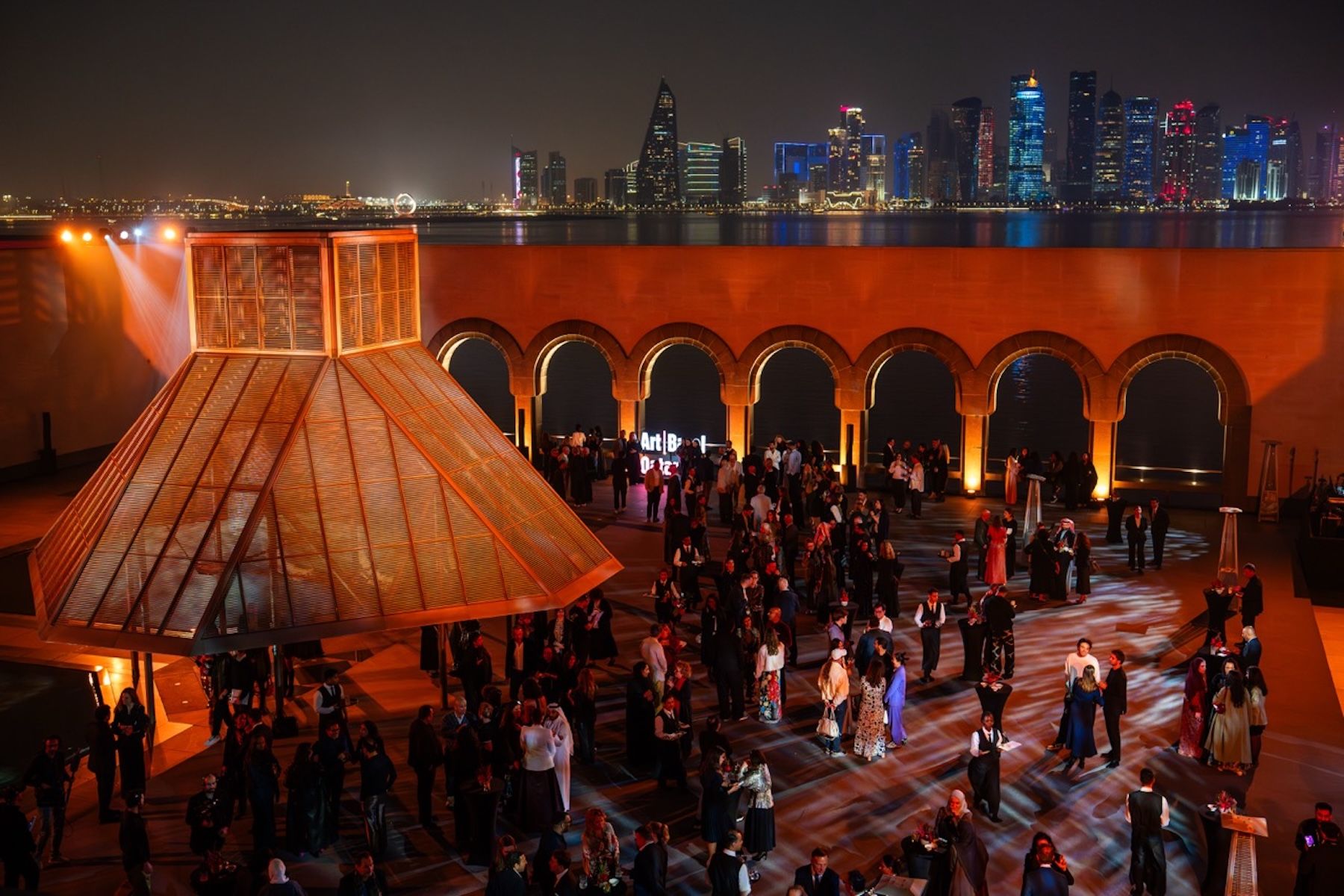
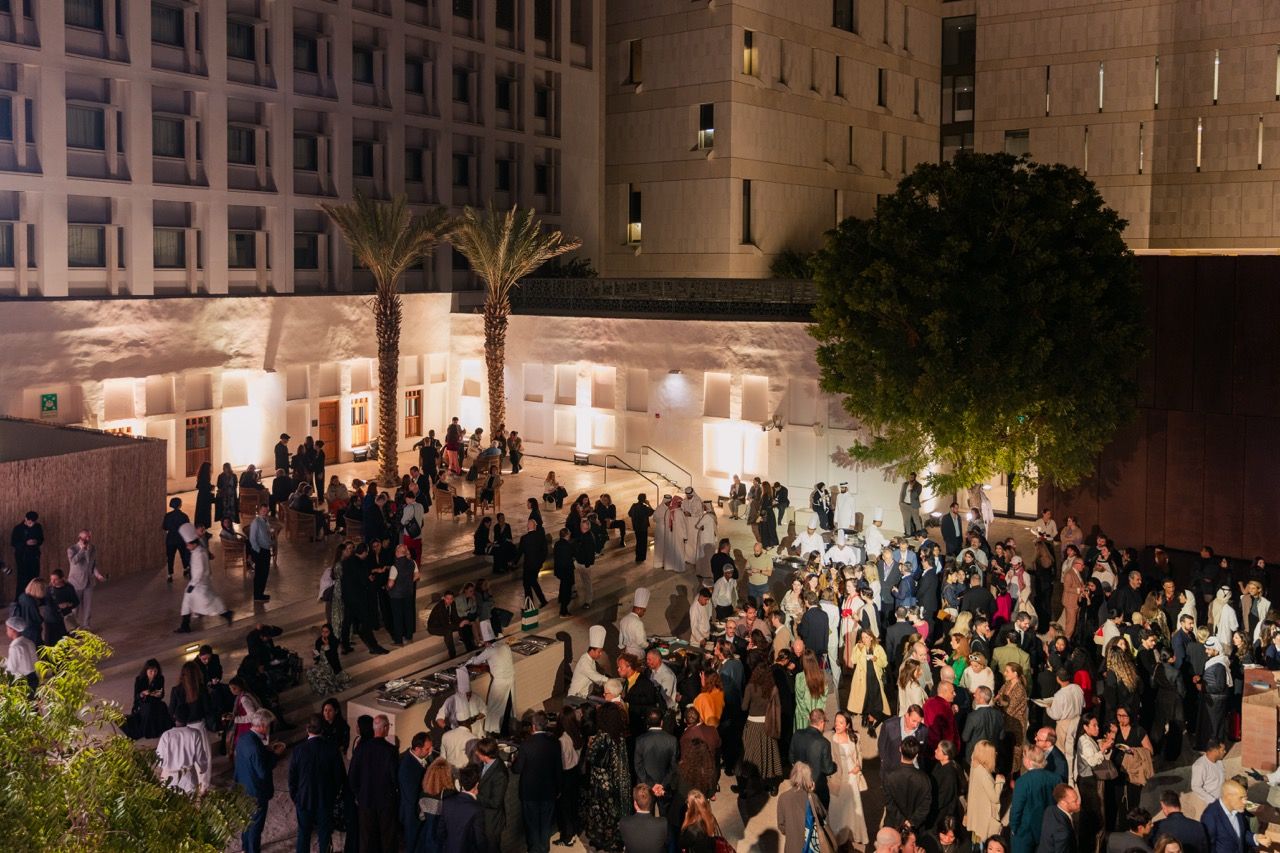
In February 2026, Art Basel Qatar opened its doors in Doha for the first time, a landmark event amplifying the city’s contemporary art scene and reinforcing the MENASA region’s presence on the global art map.
Known for its flagship fairs in Basel, Miami Beach, and Hong Kong, Art Basel has long shaped the landscape of contemporary art by connecting artists, galleries, and audiences around the world.
Art Basel's arrival in Qatar signals both a recognition of the country’s growing cultural infrastructure and a commitment to deepening artistic exchange across the MENASA region and beyond.
Courtesy of Art Basel
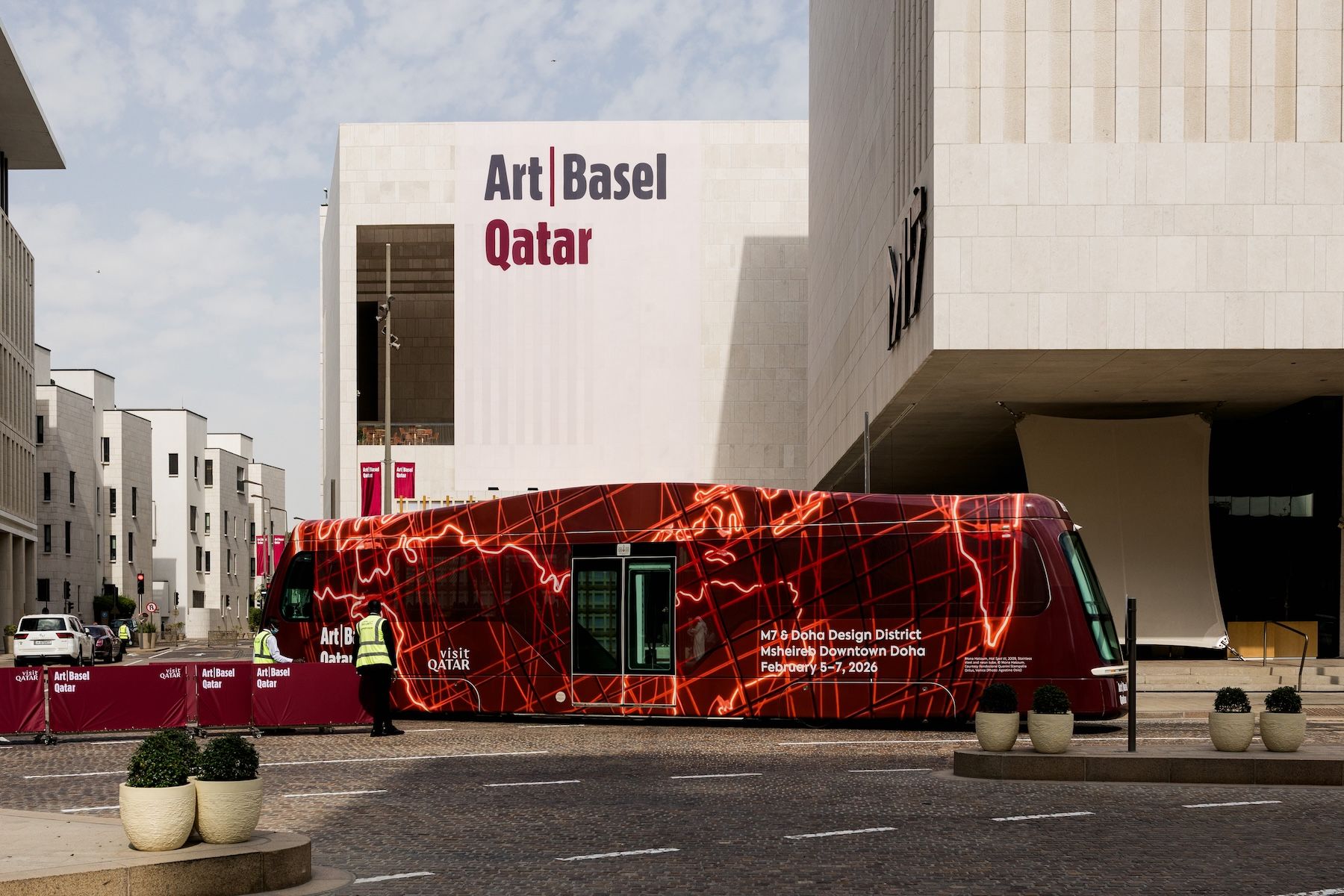
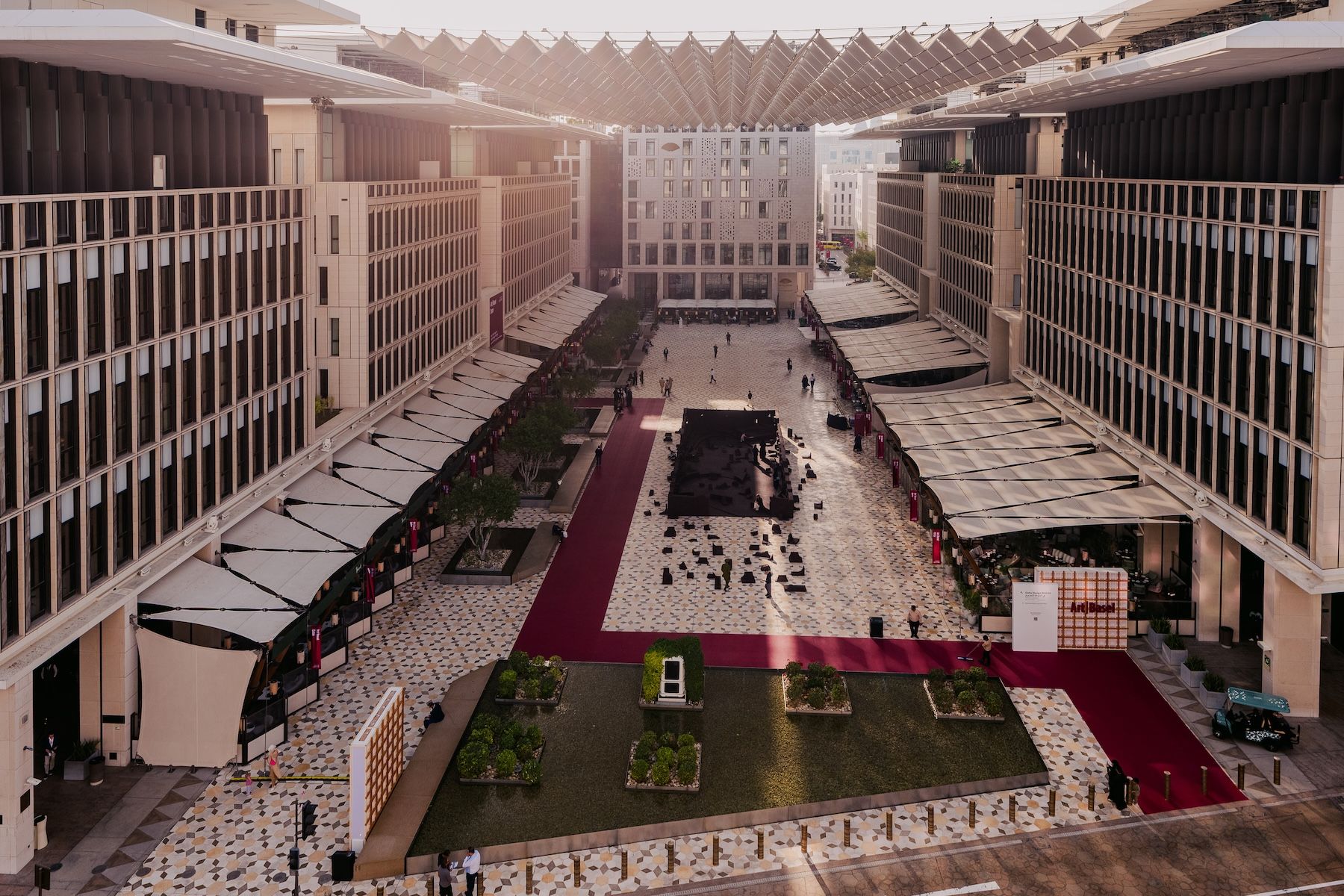
Set within Msheireb Downtown Doha, the inaugural edition unfolded across M7 and the Doha Design District from 5th to 7th February 2026, with preview days drawing early attention from collectors, curators, and cultural practitioners.
The fair brought together 87 galleries from 31 countries, presenting work by 84 artists. A deliberate local emphasis positioned the fair as both a celebration of local perspectives and a platform for global exchange.
Courtesy of Art Basel
A Curatorial Vision of Becoming
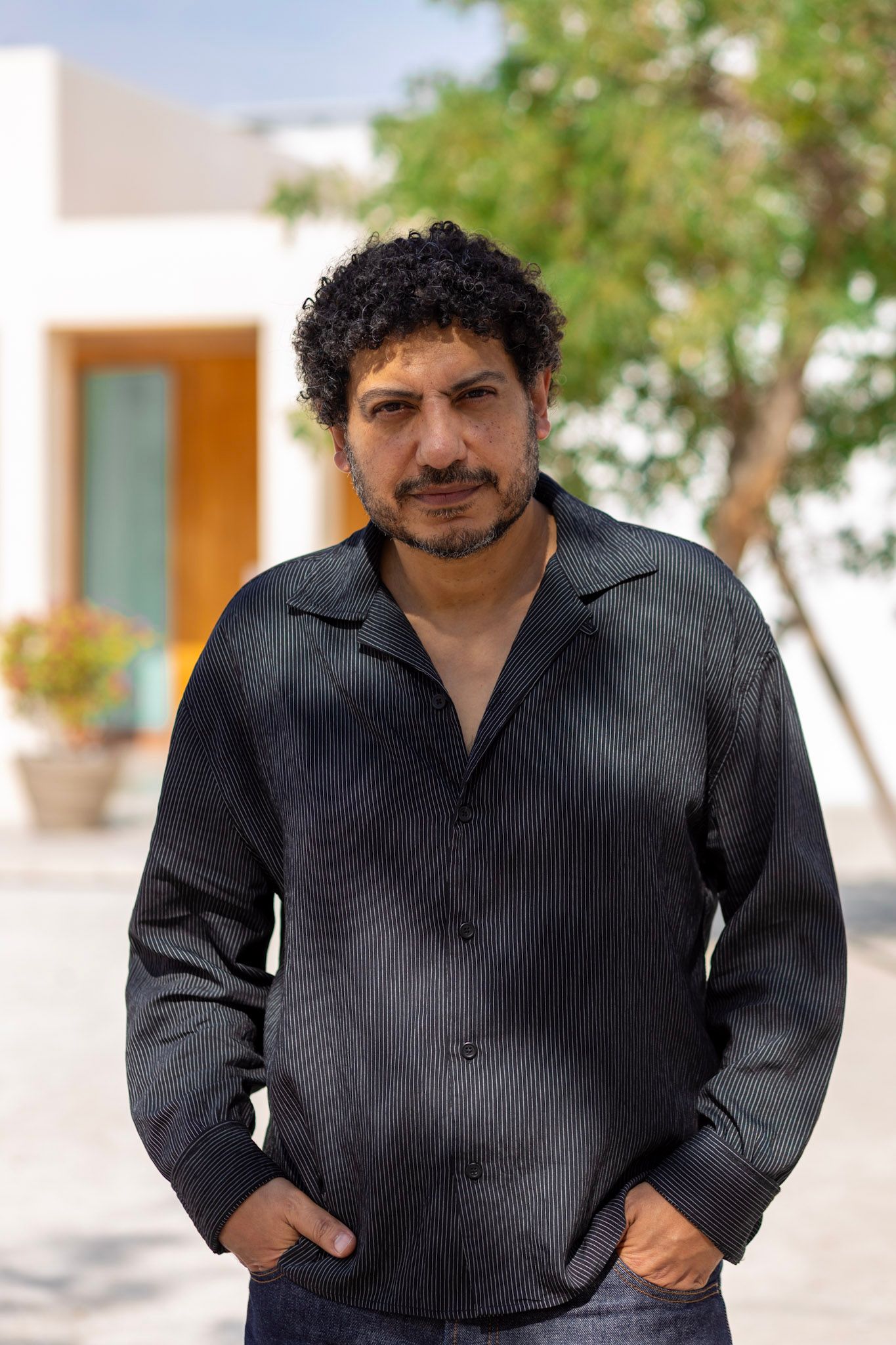
At the heart of the edition was the curatorial theme “Becoming”, shaped by Artistic Director Wael Shawky. An internationally recognised artist known for his research-driven practice and layered narratives, Egyptian-born Shawky has long explored the intersections of history, identity, and storytelling. His role in Doha extends beyond the fair, as Director of the Fire Station, where he supports emerging artistic voices and creative education.
Wael Shawky - Artistic Director, Art Basel Qatar 2026, Courtesy of Art Basel, Photo by Jinane Ennasri
“The theme ‘Becoming’ is a meditation on change, on how humanity reshapes the ways we live, believe, and create meaning. The Gulf lies at the heart of this story, where oral traditions flow into digital networks and ancient trade routes return as new pathways of culture and exchange. Here, art is not only a witness to history but a force that shapes how we imagine and reimagine identity. The first edition of Art Basel Qatar becomes a space for these stories to surface.” - Wael Shawky, Artistic Director
Building A Globally Resonant Art Fair
Discussing the framework of the fair, Shawky explained that “Art Basel has always believed in building fairs that are locally rooted and globally resonant, and Art Basel Qatar continues with that approach. For the inaugural edition, it was important to place the regional arts ecosystem at the centre of the fair. More than half of the artists are from the region, and that was a very intentional decision.”
He also emphasised the importance of accessibility for audiences from different backgrounds, adding that “At the same time, we wanted to present a show that was universal in the way it presented the theme, ensuring that every visitor connects to the works on view, regardless of their background or understanding of the region.”
An Artist Led Format
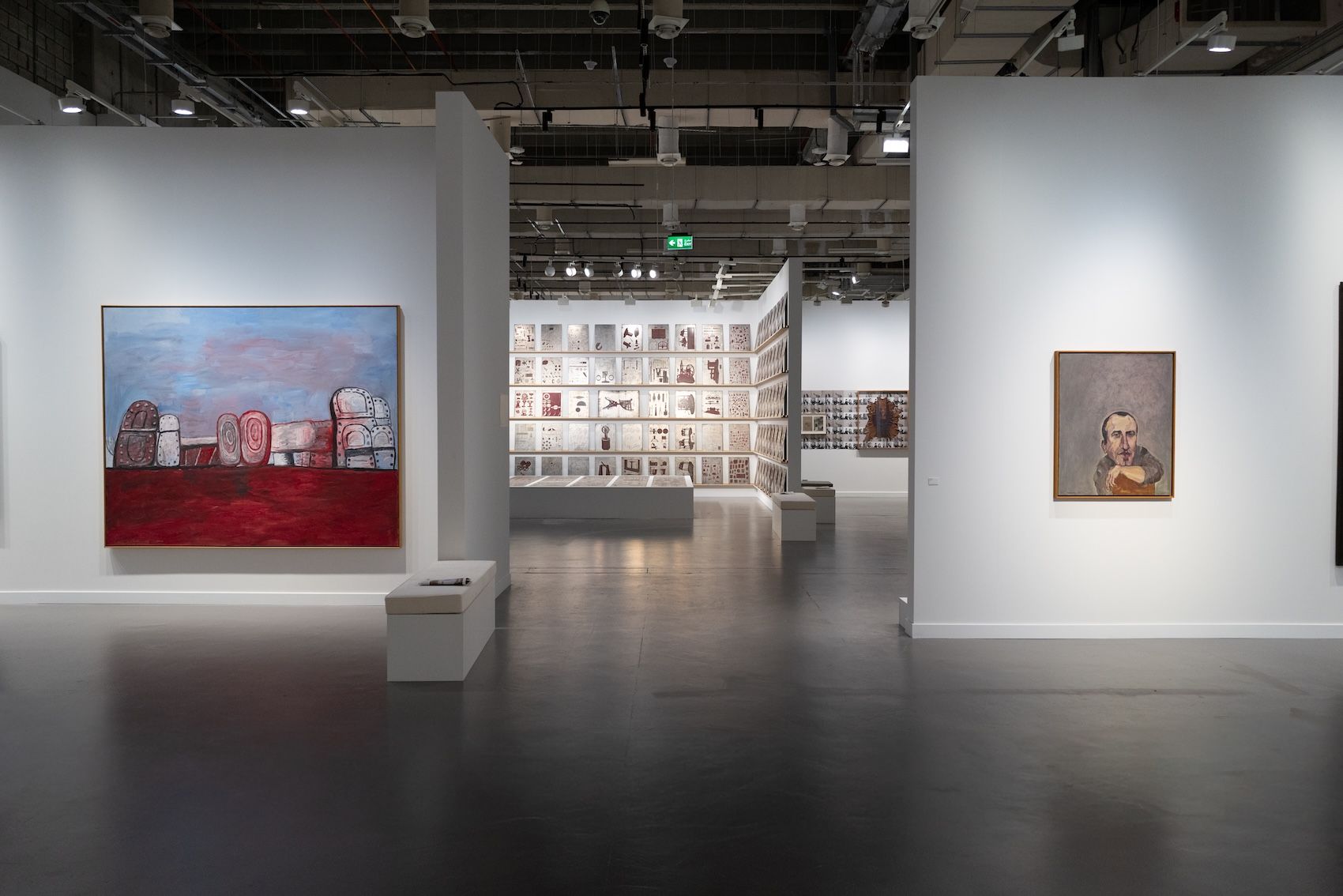
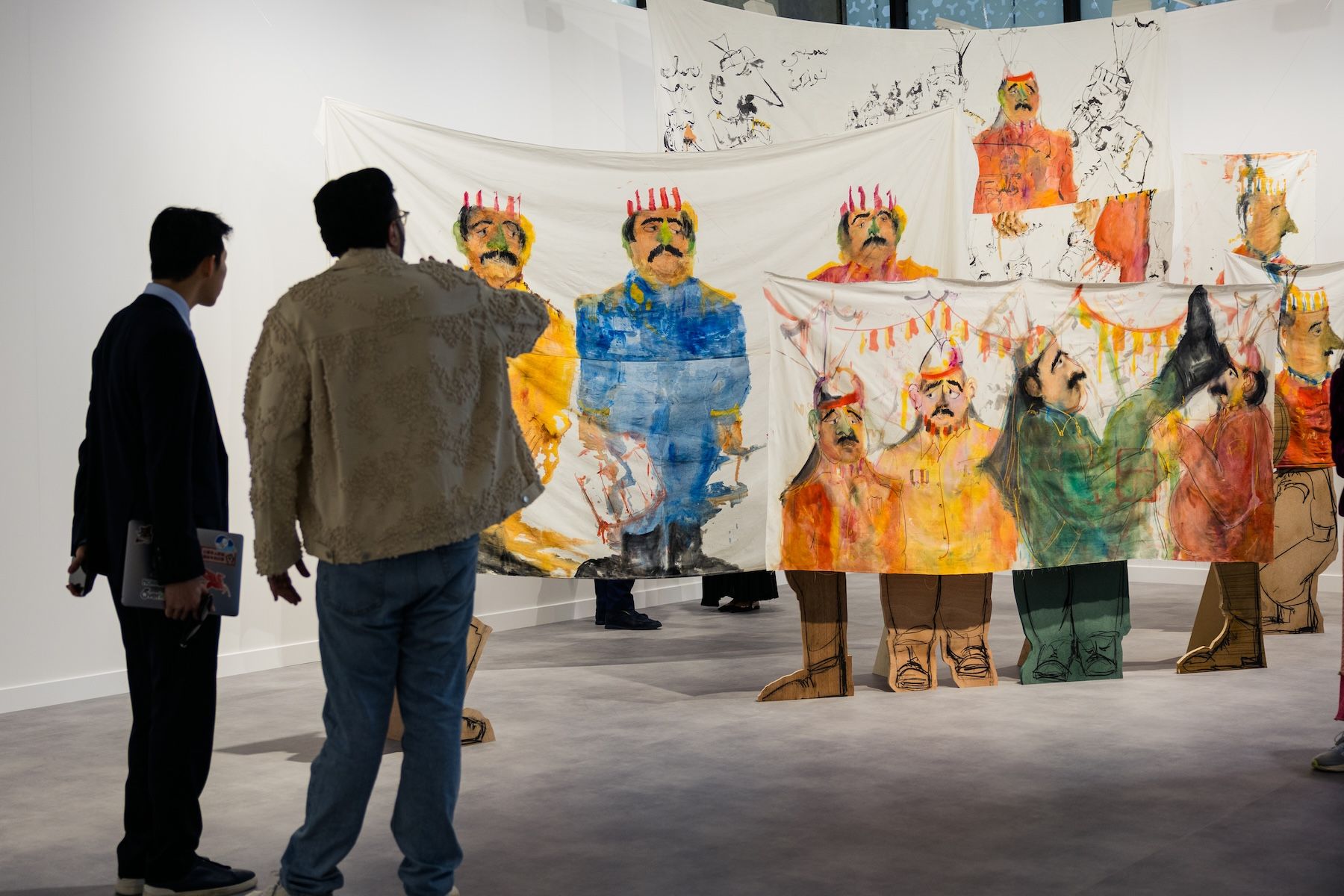
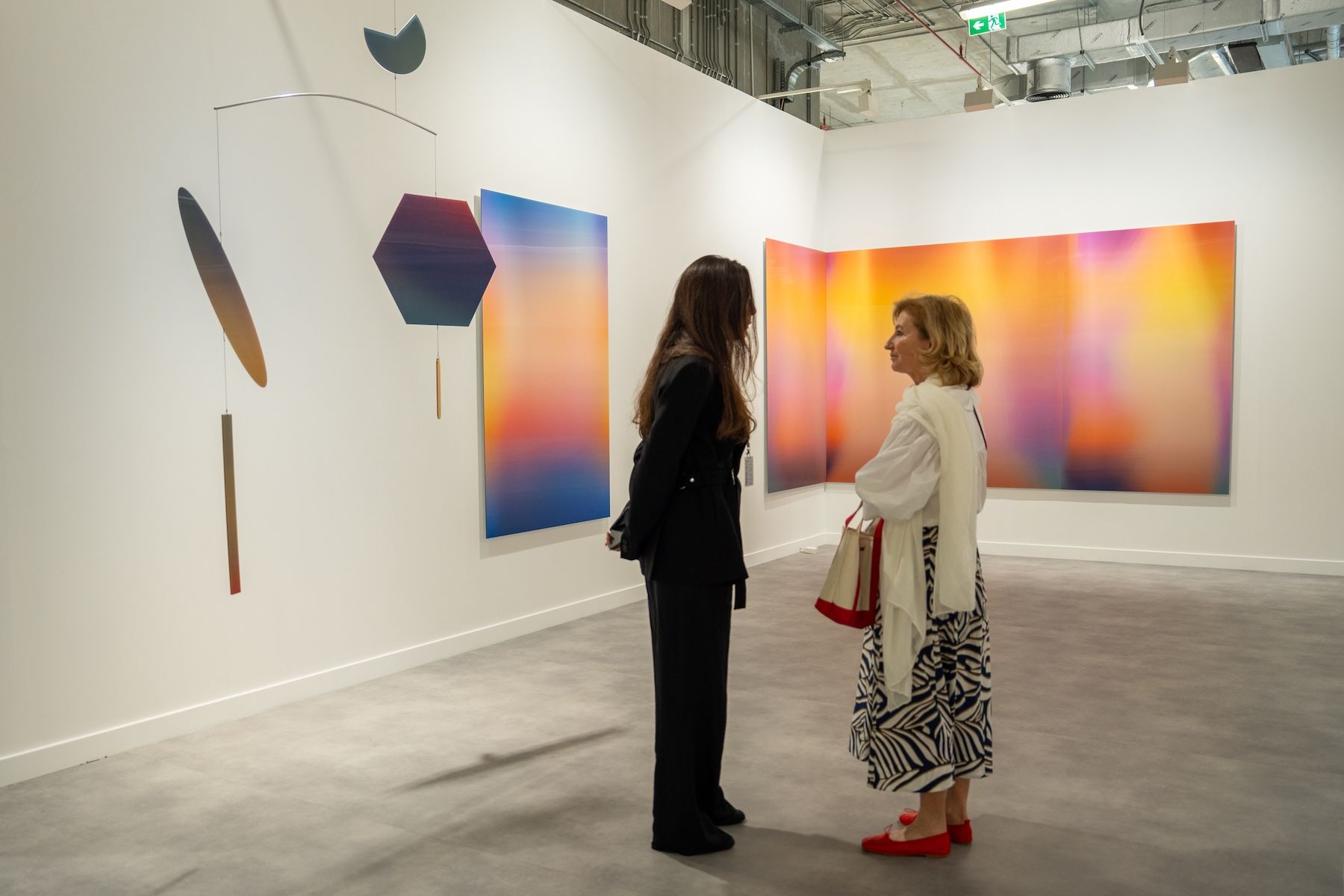
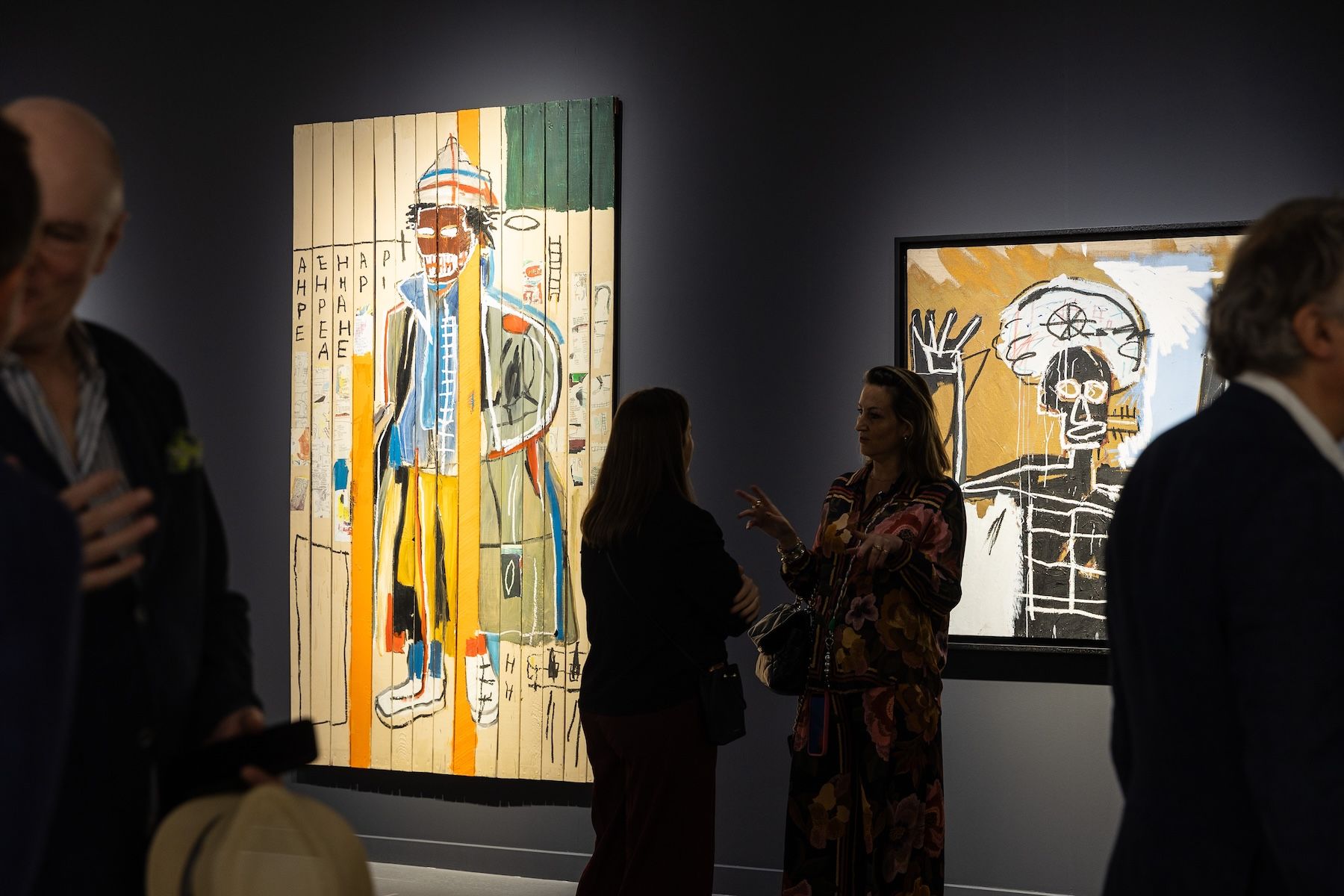
Expanding on this approach and reflecting on how the fair fosters dialogue between regional and international contemporary art, the inaugural edition departed from conventional formats. Exhibitors were invited to present a single artist, creating a more intimate encounter with each practice and allowing visitors a slower, more considered viewing experience.
Cardi Gallery, Courtesy of Art Basel
"The Galleries Sector features work by both established, blue-chip artists, as well as emerging artists from the MENASA, the wider Global South, and beyond,” he described. "For the Special Projects, we worked directly with artists to commission ambitious new works, supporting them in a meaningful and sustained way.”
Highlighting Qatari Artistic Representation
Bouthayna Al Moftah and Living Memory
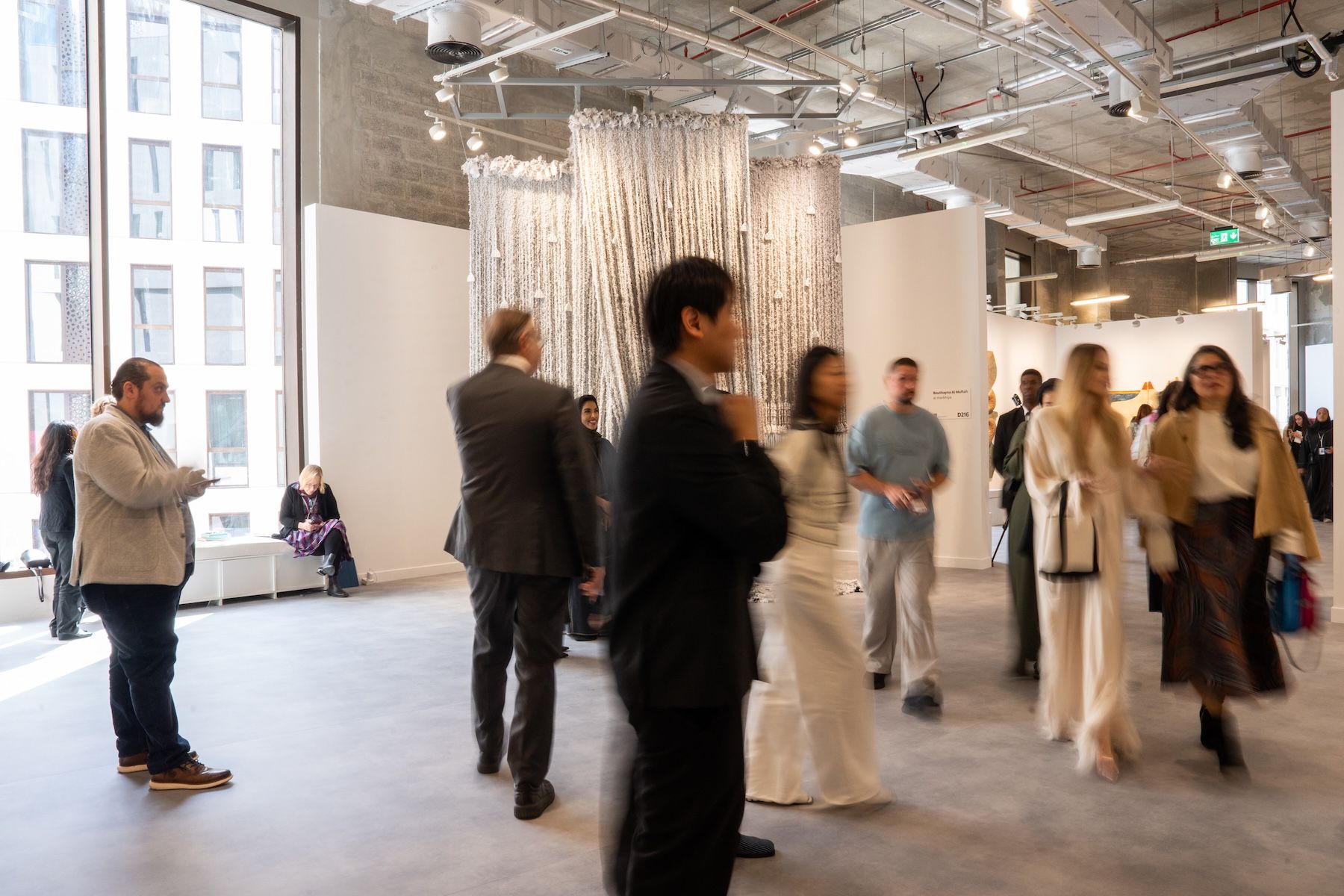
Within the Galleries sector, Qatari artist Bouthayna Al Moftah, represented by al markhiya gallery, showcased Living: Architectures of Memory (2026), a work grounded in her ongoing exploration of cultural memory, oral histories, and inherited forms. Working across printmaking and mixed media, Al Moftah often uses visual language drawn from Qatari traditions, reconfigured through the lens of her own contemporary practice.
She described her approach to heritage as fluid: “In “Living: Architectures of Memory” I approach Qatari heritage as something evolving rather than fixed or nostalgic. Instead of treating it as a static archive, I see it as a shifting framework through which cultural memory is continually reshaped over time."
al markhiya, Courtesy of Art Basel
"This installation reflects the tension between preservation and erasure in a rapidly changing world," she went on to share. "As modernisation accelerates, we are compelled to question what we retain and what quietly disappears. I am less interested in considering heritage as a static idea, and more in asking whether authenticity has the ability to remain stable over time.”
When asked how she hopes viewers engage with the cultural and emotional layers of her work, Al Moftah explained that she hopes "the work feels like a living archive that is open to interpretation rather than sealed in the past."
"Instead of observing heritage from a distance, viewers are invited to move through it, connecting collective history with personal memory, acknowledging how inherited gestures and spaces continue to shape us,” the artist elaborated.
"Emotionally, I hope “Living: Architectures of Memory” creates a quiet sense of recognition, and an awareness that culture is not something we simply preserve, but something we inhabit and redefine.”
A Global Platform for Qatari Artists
Reflecting on the significance of participating in a landmark cultural event, Al Moftah emphasised the pride and responsibility of her role: “Exhibiting in the inaugural edition of the fair in Doha is a great honour. As a Qatari artist, it is deeply meaningful to represent my country on this global platform, both as a personal milestone and as part of our broader artistic community.”
The artist also discussed the importance of her gallery, emphasising that, “Being represented by al markhiya gallery makes this experience even more significant. As the oldest privately owned space in Qatar, the gallery has played an important role in shaping the contemporary art landscape in Doha. Their long-term commitment to artists, and their belief in my work, have been truly invaluable.”
Special Projects and Site-Specific Works
Alongside the galleries, the Special Projects programme introduced nine large-scale, site-specific works across the district, forming one of the most ambitious public art presentations in the fair’s history.
Mexican Artist Abraham Cruzvillegas and Material Transformation
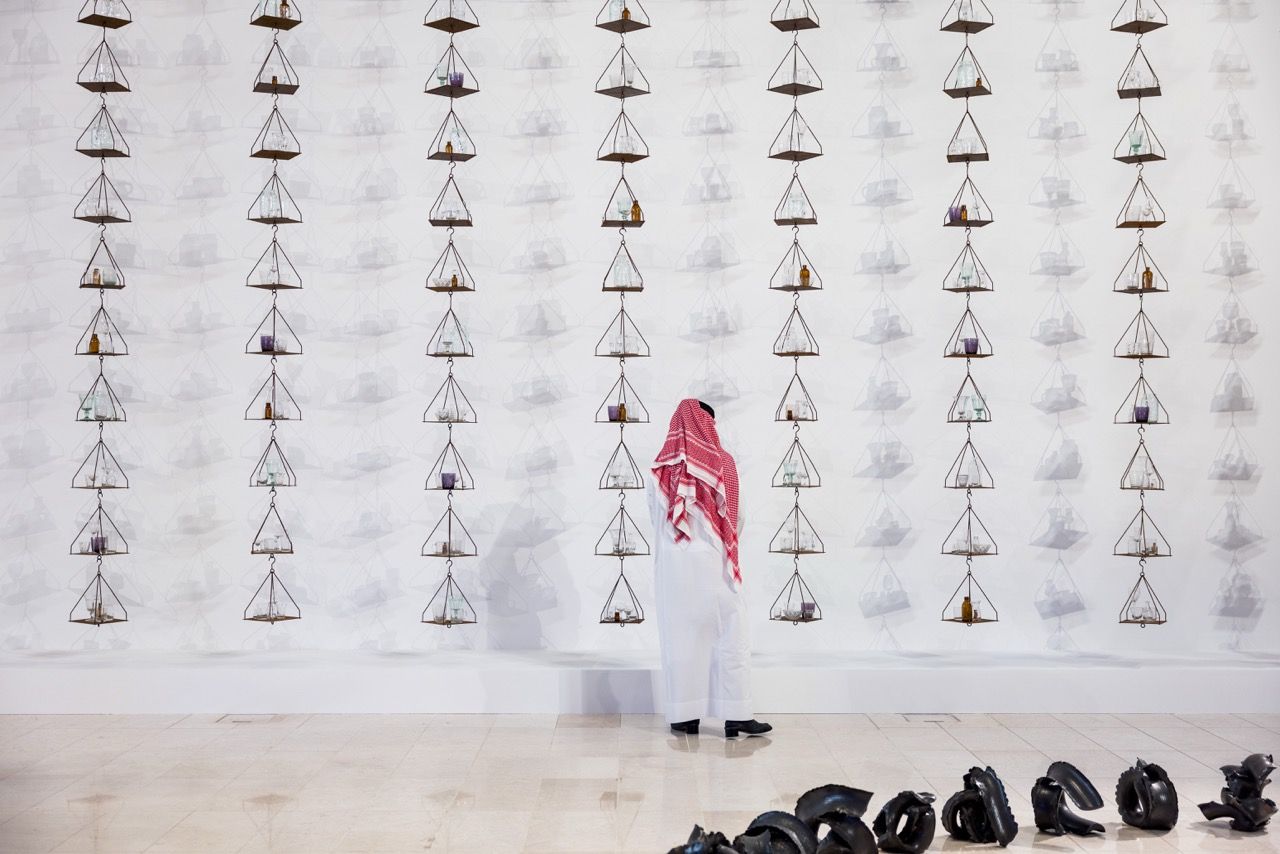
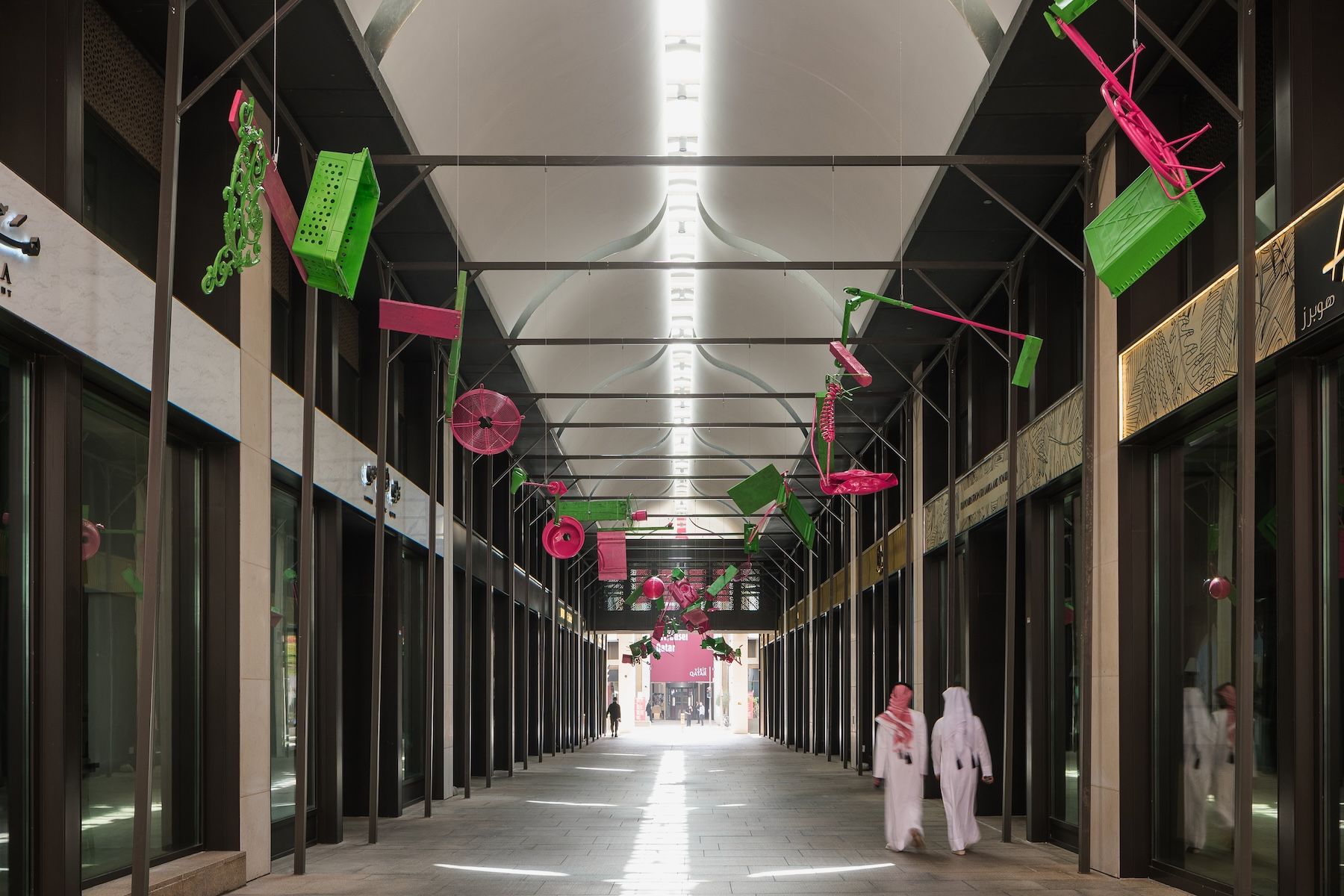
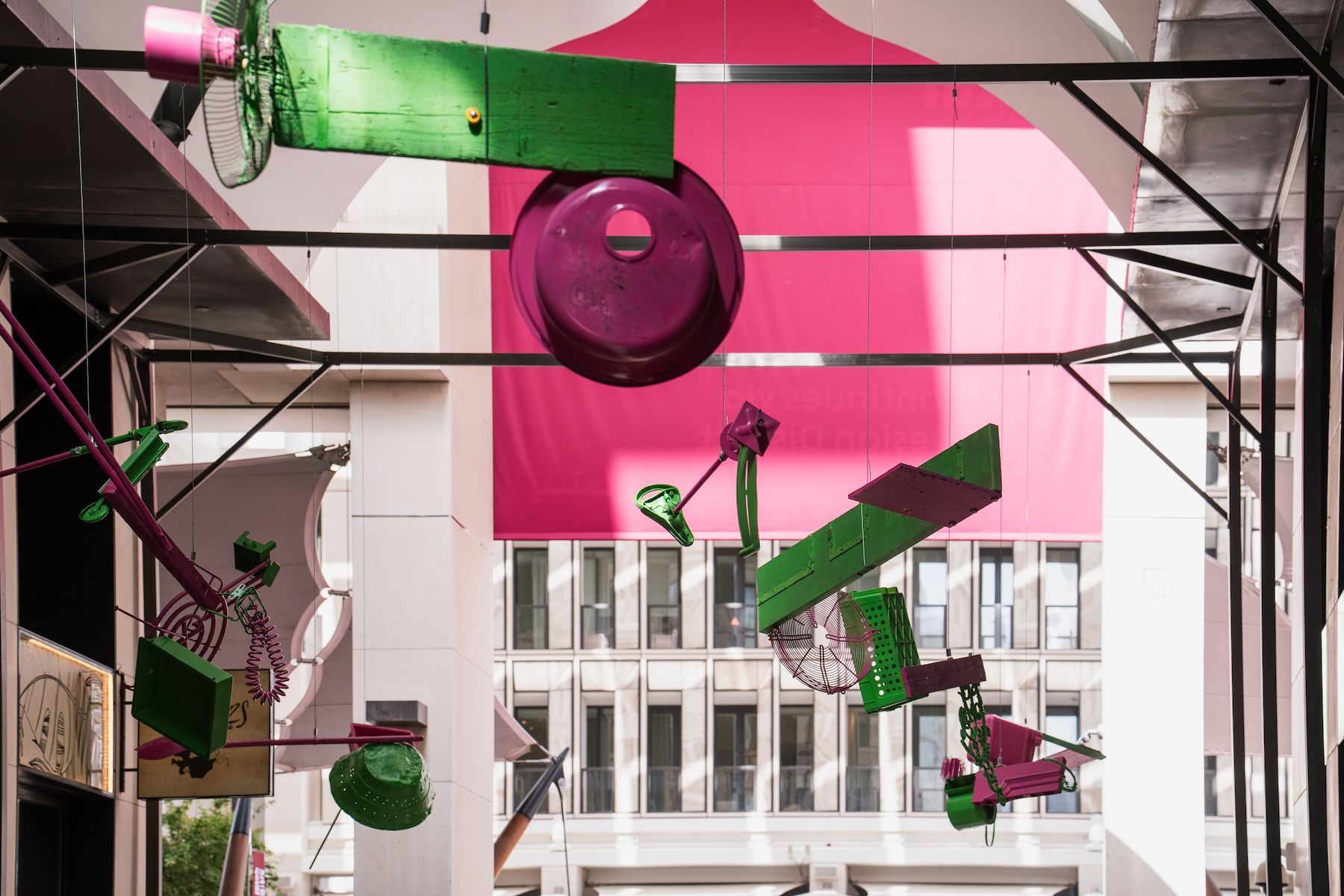
Among these was Mexican artist Abraham Cruzvillegas, represented by kurimanzutto gallery located in Mexico City and New York, whose suspended installationUntitled Pending Self Portrait Looking For Pearls On A Phone Call (with some pink and green secrets) (2026) brought together locally sourced materials into a shifting constellation of forms.
Courtesy of Art Basel
As Wael Shawky explained, works presented through the Special Projects “engage directly with the seismic environmental, economic, and social shifts shaping our world, grounding the programme in urgent regional and global realities.”
Installed within the public spaces of Msheireb, Cruzvillegas’ work invited visitors to move through and around it, encountering fragments that carry personal, political, and environmental reflections.
Known for his concept of autoconstrucción, Cruzvillegas often works with found materials to explore processes of making and adaptation. Reflecting on the theme of the fair, he shared that “Becoming should be not only a theme or a subject matter, but, very much the description of a permanent process of transformation, in which language, experience and time are materials and tools for making something that can be perceived as art in the public sphere.”
Courtesy of Art Basel
The artist’s use of materials remained central to this idea. “Recycling, above all, when the very shift of things from everyday life, into the realm of understanding that everything can become part of a sculpture, may produce more questions than answers, about beauty, through our senses and thinking with our entire bodies.”
International Perspectives
The fair showcased a range of international artists, illustrating the dialogue between regional and global contemporary art. It also underlined the connections fostered through the Qatar Canada and Mexico 2026 Year of Culture.
Sargent's Daughters, Courtesy of Art Basel
Artist Sophia Al Maria and Gulf Narratives
Qatari American artist Sophia Al Maria presented HiLux (2025) with The Third Line. Known for coining the term Gulf Futurism, Al Maria’s work examines the rapid transformations of the Gulf through film, text, and visual art. In this series, the Toyota HiLux becomes a cultural marker, tracing narratives of mobility, labour, and everyday life across the region.
Gabriel Orozco and Conceptual Practice
Elsewhere in the fair, Mexican artist Gabriel Orozco, also represented by kurimanzutto gallery, brought his distinctive conceptual approach to everyday materials and systems.
Over several decades, Orozco has developed a practice that moves between sculpture, photography, and installation, often revealing subtle structures within ordinary objects. His presence at the fair reinforced the dialogue between Mexican and Qatari artistic contexts.
Celebrating the Lasting Legacy of Canadian Artist Matthew Wong
The fair also included a poignant presentation by MASSIMODECARLO gallery of Chinese-Canadian artist Matthew Wong (1984-2019), whose paintings continue to resonate for their introspective quality and engagement with art historical traditions. The focused display of works from his final year offered a quieter, reflective counterpoint within the broader programme.
A Wider Cultural Landscape
Beyond the fair itself, a network of events and exhibitions across Qatar’s institutions unfolded in parallel, from Mathaf: Arab Museum of Modern Art to installations in public spaces, reinforcing the country’s broader cultural momentum. Together, these initiatives framed Art Basel Qatar as part of a sustained and evolving artistic ecosystem.
Loft Art Gallery, Courtesy of Art Basel
Cultural Exchange at Art Basel Qatar
In its first Qatari edition, Art Basel established a platform that prioritised artistic voice, regional context, and meaningful exchange. Its emphasis on single-artist presentations and site-specific commissions created space for depth, inviting visitors to spend time with each work and its ideas.
Set within the wider framework of the Qatar Canada and Mexico 2026 Year of Culture, the fair brought together artists from across MENASA, as well as this year’s partner countries. In doing so, it reflected questions of identity, memory, and transformation, while affirming the role of cultural exchange.
Courtesy of Art Basel
Shawky reflected on the impact of the inaugural edition, noting what made him most proud, including “the sense of genuine exchange that the show created. Seeing artists properly encountered, galleries feeling supported, and audiences staying longer than they expected to continue discovering. It means we are narrowing the gap between artists and the art market, to the benefit of both sides and opening space for new forms of artistic discourse to emerge.”
“Rather than pointing to a single highlight, I would say what stood out most was the strength and consistency of the presentations across the fair,” he added. “One of the defining features of this first edition was the artist-led format, which I believe proved to be highly effective in foregrounding artistic voices from the region.”
Acquavella Galleries, Courtesy of Art Basel
As one of the participating artists from Qatar, Bouthayna Al Moftah reflected on the impact of the opportunity: “I am incredibly proud to be part of this team and to contribute to representing Doha’s artistic voice on the international stage. It feels like a moment of continuity, honouring what has been built over time while stepping confidently into a new chapter.”