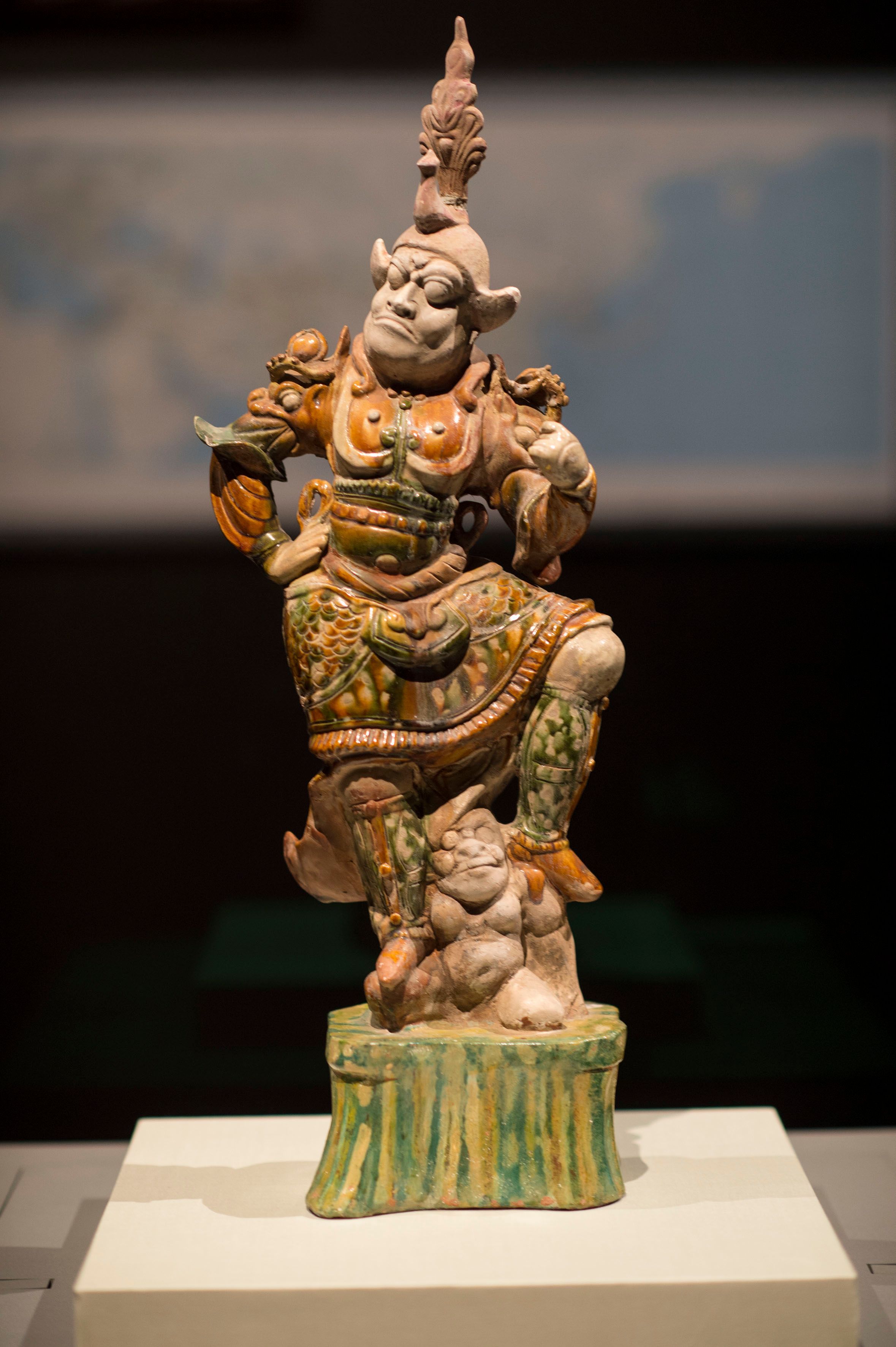
The exhibition was divided into three parts: "The Birth of Civilization, Ceremonies and Kingdoms", "Splendid Unification, Prosperity and the Silk Road", and "Porcelain, Imperial China and the Royal Arts, which involved all significant historical periods of ancient China.
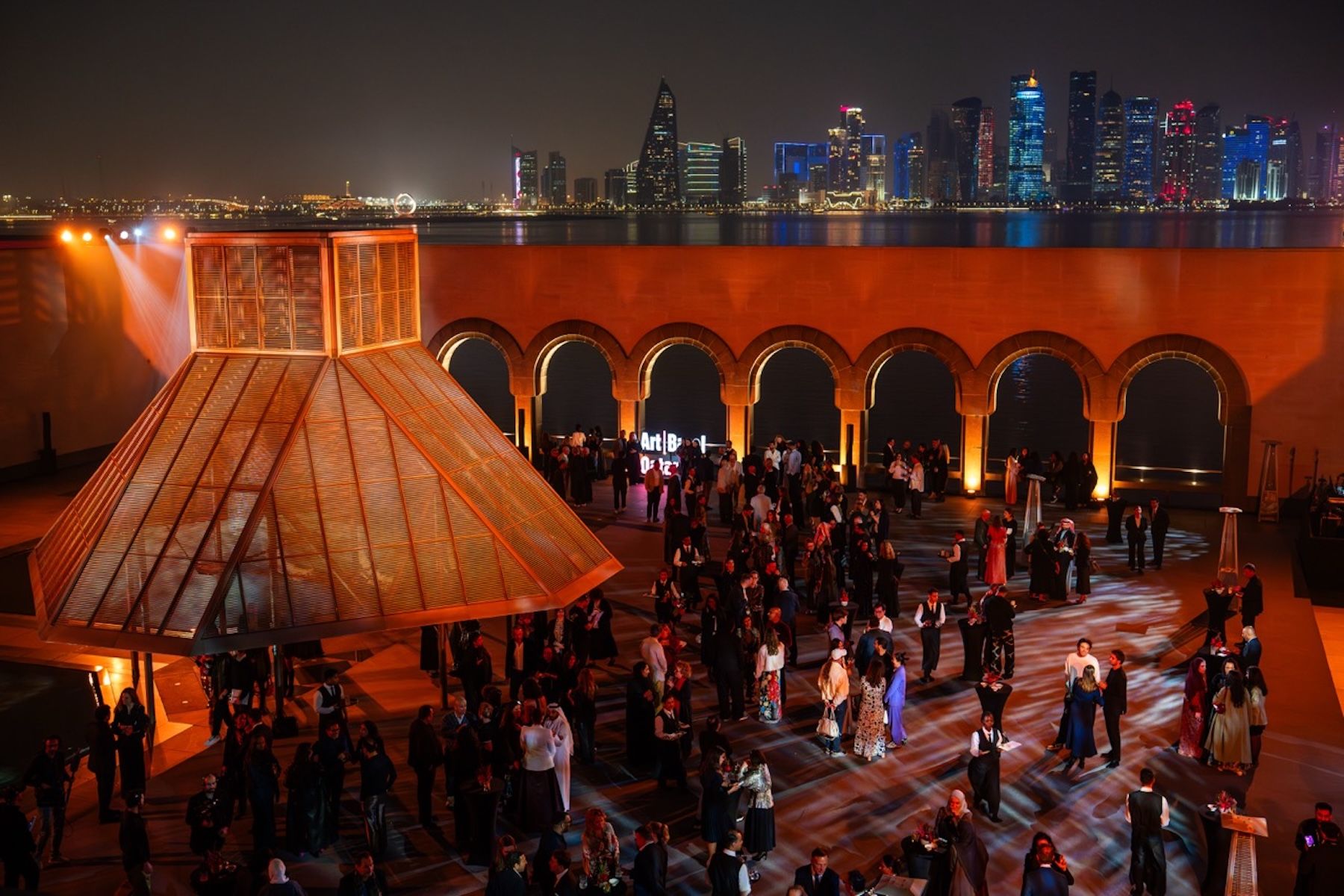
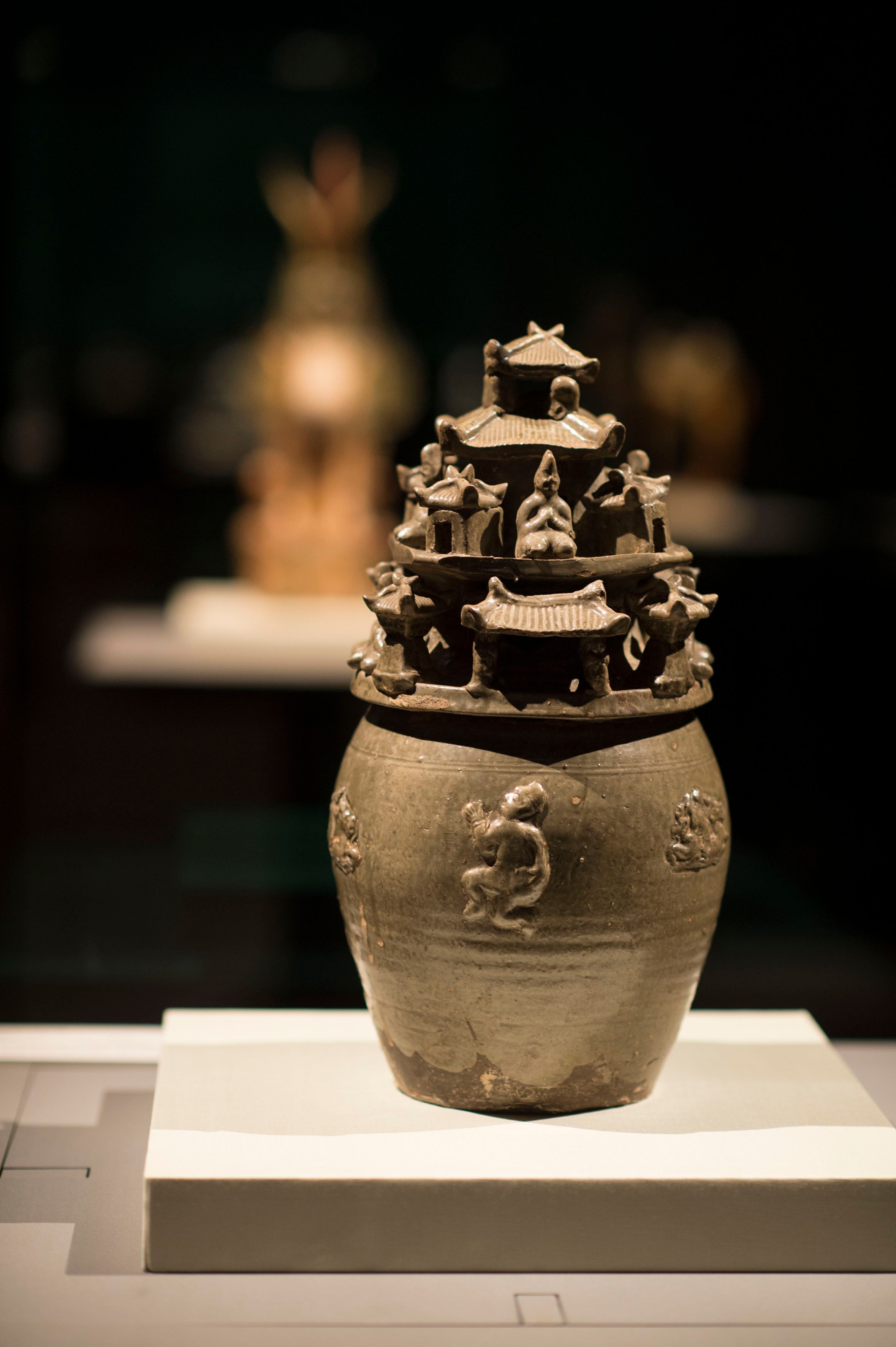
The works on display at the Museum of Islamic Art (MIA) were carefully curated from five Chinese museum collections and included pottery, bronze, jade, porcelain, gold, silver, enamel and many other artworks.
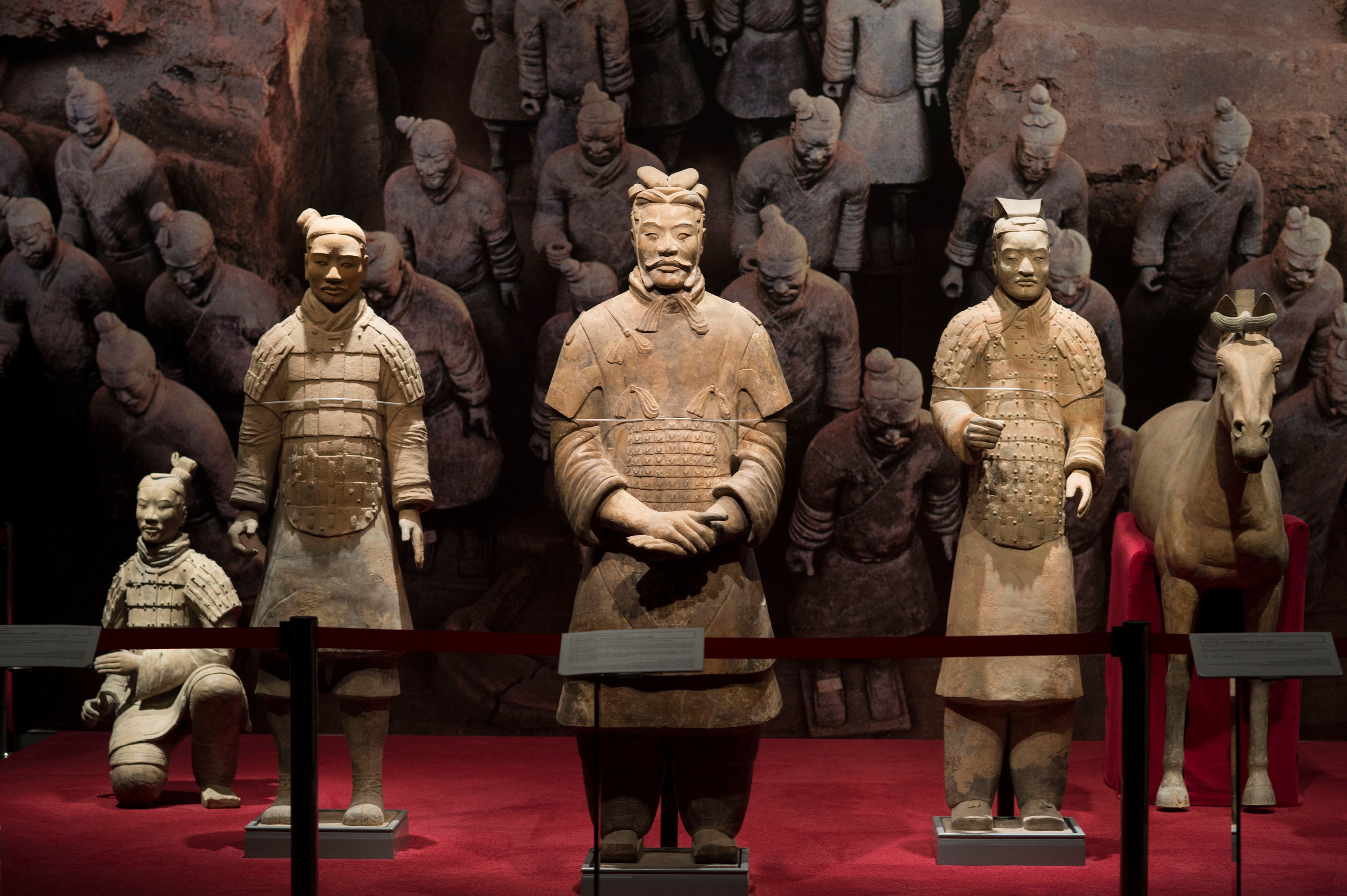
Incredible highlights of the Treasures of China exhibition were the Terracotta Warriors from the Mausoleum of Qinshi Huang, the first emperor of China, which illustrated a truly unforgettable experience of China's history.